Soundproofing Solutions for Floors: Reduce Noise in Homes & Offices
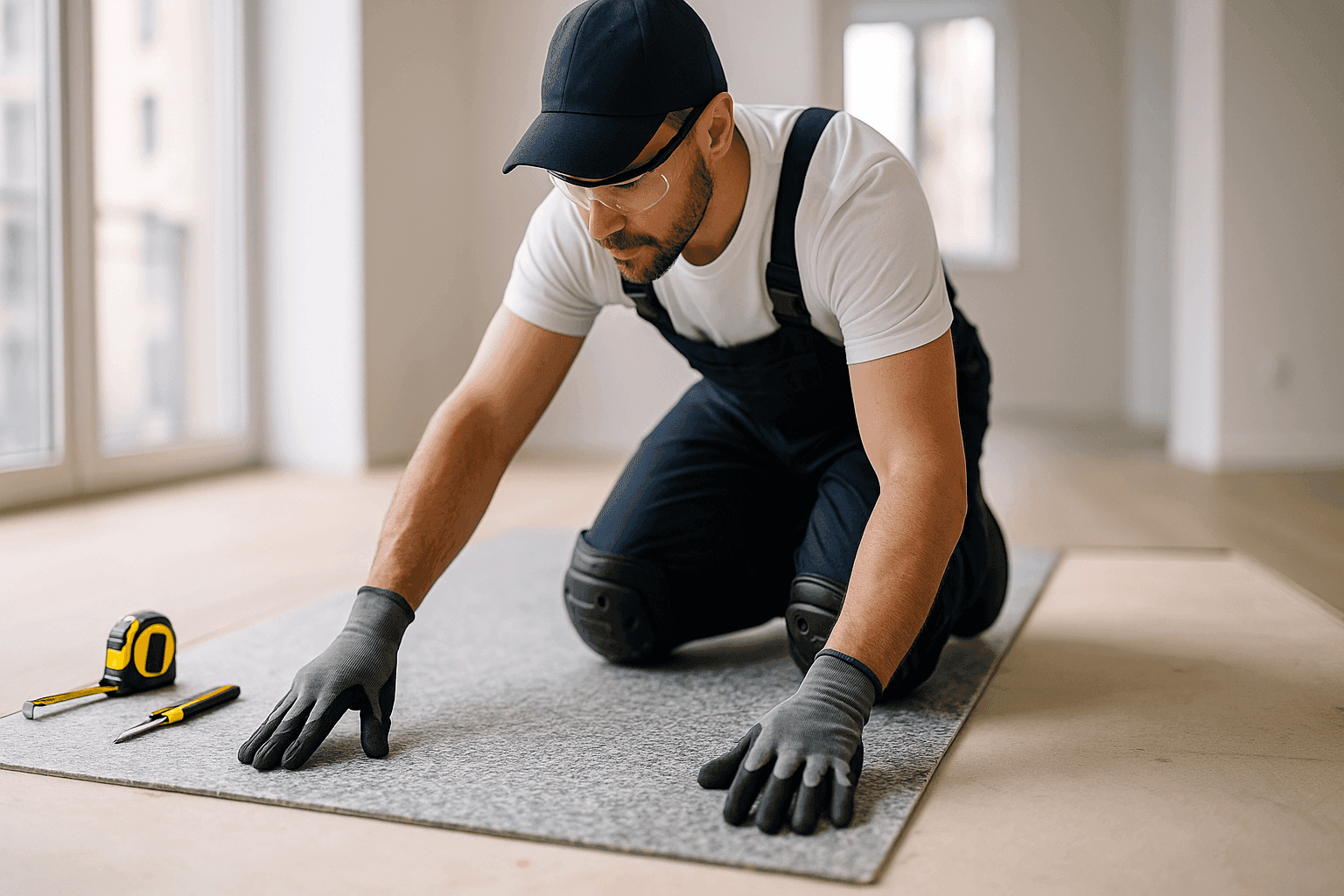
Ever hear footsteps pounding overhead when you’re trying to relax? Does office chatter echo through your workspace, even with the door closed? Floor noise travels like water in a leaky pipe—finding every crack and seam. At SunCoast Flooring Solutions, we know how distracting, even maddening, this can be. Soundproofing your floors isn’t just about comfort. It protects privacy, boosts productivity, and helps you reclaim your peace.
Modern living and working spaces are busier than ever. Don’t let noise decide how you use your space. Let’s break down how sound travels, the best ways to block it, and the steps you can take—whether you’re a homeowner, business owner, or property manager.
Why Floors Are a Main Route for Noise
Floors are the highways for sound. Every stomp, dropped pen, or moving chair sends vibrations racing through the structure. But not all noise is created equal:
- Impact noise is the “thud” from footsteps, dragging furniture, or dropped items. Imagine a basketball bouncing on a hardwood court.
- Airborne noise is sound carried by air—voices, music, or dog barks. Think of a radio playing in the next room.
Without the right flooring setup, both kinds of noise can slip straight through. Apartments, offices, multi-family homes—none are immune.
Quick Safety Checklist Before You Start 🛠️
Soundproofing isn’t just about slapping down a new layer and calling it a day. Start smart:
- Check for building code requirements. Local codes (like the International Building Code Section 1207) often set minimum sound ratings for multi-family or commercial buildings.
- Wear protective gear. Gloves, safety goggles, and a mask for dust.
- Inspect for hazards. Old floors may hide lead paint, asbestos, or electrical wiring.
- Confirm subfloor stability. Squeaks and soft spots need repair before adding new layers.
- Plan for ventilation. Especially if using adhesives or coatings.
DIY Soundproofing vs. Calling a Pro
You can tackle some soundproofing jobs with a weekend and a little elbow grease. Others? Best left to the folks with years of experience.
DIY-friendly solutions:
- Laying down high-density underlayment under new laminate or vinyl flooring
- Installing interlocking floating floors
- Placing area rugs with thick pads in high-traffic spots
- Sealing visible gaps with acoustic caulk
When to call SunCoast Flooring Solutions:
- Complex multi-layer floor assemblies
- Commercial or multi-family retrofits (especially when codes apply)
- Installing radiant floor heating systems with soundproofing
- When subfloor repair or leveling is needed
- Custom solutions for conference rooms, recording studios, or sensitive environments
Remember: sometimes the simplest route saves money now, but costs more later if done wrong.
The Science: Underlayments, Floating Floors, and Retrofitting
Soundproofing is like building a dam. You want to stop the flow before it seeps through. Here’s how flooring pros approach it:
Acoustic Underlayments: The Unsung Heroes
Underlayments sit between your floor covering and the subfloor. They absorb shock and dampen sound—think of them as noise-canceling headphones for your floor.
Popular materials:
- Rubber: Durable, moisture-resistant, and great for commercial settings.
- Foam: Lightweight and easy for DIY, but less effective for heavy noise.
- Cork: Natural, eco-friendly, and works well under hardwood or laminate.
- Felt: Dense and reliable for luxury vinyl plank or tile installations.
Tip: Not all underlayments are equal. Look for ratings like IIC (Impact Insulation Class) and STC (Sound Transmission Class). Higher numbers mean better sound control.
Floating Floors: A Simple Buffer
Floating floors don’t nail or glue directly to the subfloor. Instead, they “float” on top, creating a break that helps block impact noise. Popular with vinyl flooring near you, laminate, and engineered hardwood.
- Works well for: Apartments, condos, finished basements
- Pairs with: Acoustic underlayment, sound-damping mats
Retrofitting Older Floors
Older buildings can be tricky. You may need to:
- Add mass-loaded vinyl or other dense barriers under new flooring
- Install drop ceilings with acoustic tiles below the noisy floor
- Use soundproofing mats beneath carpet or hardwood
Pro tip: Always address squeaks and loose boards before adding soundproofing. Otherwise, new floors can amplify old problems.
Common Mistakes: What Not to Do
Some fixes sound smart but miss the mark. Avoid these pitfalls:
- Using thin underlayments just to save money
- Skipping subfloor repairs (“It’ll be fine!”—famous last words)
- Forgetting to seal gaps at floor edges or around pipes
- Ignoring local code requirements for sound transmission
Shortcuts now can mean noise headaches later.
Building Code and Compliance Considerations
Both residential and commercial buildings may be subject to sound transmission requirements. Codes like the IBC Section 1207 lay out minimum IIC and STC ratings for floors in multi-family dwellings and offices.
- Residential: Apartments, condos, and townhomes must often meet specific soundproofing standards between units.
- Commercial: Open offices, conference rooms, and retail spaces may also need to comply, especially if tenants share walls and floors.
Always check local building codes or consult with a certified flooring professional. Cutting corners risks failed inspections and unhappy neighbors.
Prevention & Maintenance
Soundproofing isn’t a one-and-done deal. Keep things quiet by:
- Regularly inspecting for gaps, cracks, or damaged underlayment
- Replacing worn-out pads or sealants
- Using area rugs and furniture strategically to dampen echo
- Scheduling professional floor inspections every few years
A little maintenance now prevents a big noise problem later.
Costs & Time Factors
Every project is different. Costs and timelines depend on your space, chosen materials, and labor needs.
Expect:
- DIY fixes (like rugs, foam underlayment) to cost less but offer limited relief
- Full professional installations (like rubber underlayment with floating floors) to cost more—but deliver superior results
- Most residential jobs wrap up in a few days; larger commercial spaces can take a week or more
Remember: soundproofing is an investment in comfort, privacy, and property value.
When It’s an Emergency
Some noise problems can’t wait—like sudden water leaks damaging soundproof layers, or severe floor squeaks that disrupt business. In these cases:
- Shut off water sources to prevent further damage
- Move sensitive equipment or belongings away from the affected area
- Call a flooring professional for rapid assessment and emergency repairs
Don’t wait until noise becomes a crisis.
Frequently Asked Questions
How do I know which soundproofing material is right for my floor?
Consider your flooring type, building codes, and the main source of noise. Rubber and cork are popular for heavy traffic, while foam works for light residential use.
Can I install soundproofing over existing hardwood or tile?
Yes—options like mass-loaded vinyl or specialized mats can go over most surfaces before adding new flooring.
Is soundproofing worth it for a single-family home?
Absolutely. Even without shared walls, soundproof floors mean better sleep, more privacy, and a quieter home.
Will thick carpet alone block all noise?
Carpet helps, but pairing it with a dense underlayment makes a much bigger impact.
Local and Seasonal Considerations 🌦️
Certain climates and building ages affect soundproofing choices:
- Humid regions: Prioritize moisture-resistant underlayments to prevent mold and mildew.
- Cold weather: Insulating underlayments offer both warmth and sound control—great for radiant floor heating.
- Older buildings: Be alert for subfloor issues and consult pros for retrofitting.
Multi-family and office buildings may have specific rules during renovation seasons. Always coordinate with building management and neighbors before starting work.
Ready to turn down the volume? Whether you’re updating a busy office, quieting a family home, or renovating apartments, SunCoast Flooring Solutions brings years of hands-on experience with every flooring material—vinyl flooring near you, hardwood, epoxy, and more.
Call SunCoast Flooring Solutions now — or reach us anytime at 877-796-9197 .