How to Prevent Moisture Damage Under Your Floors All Year
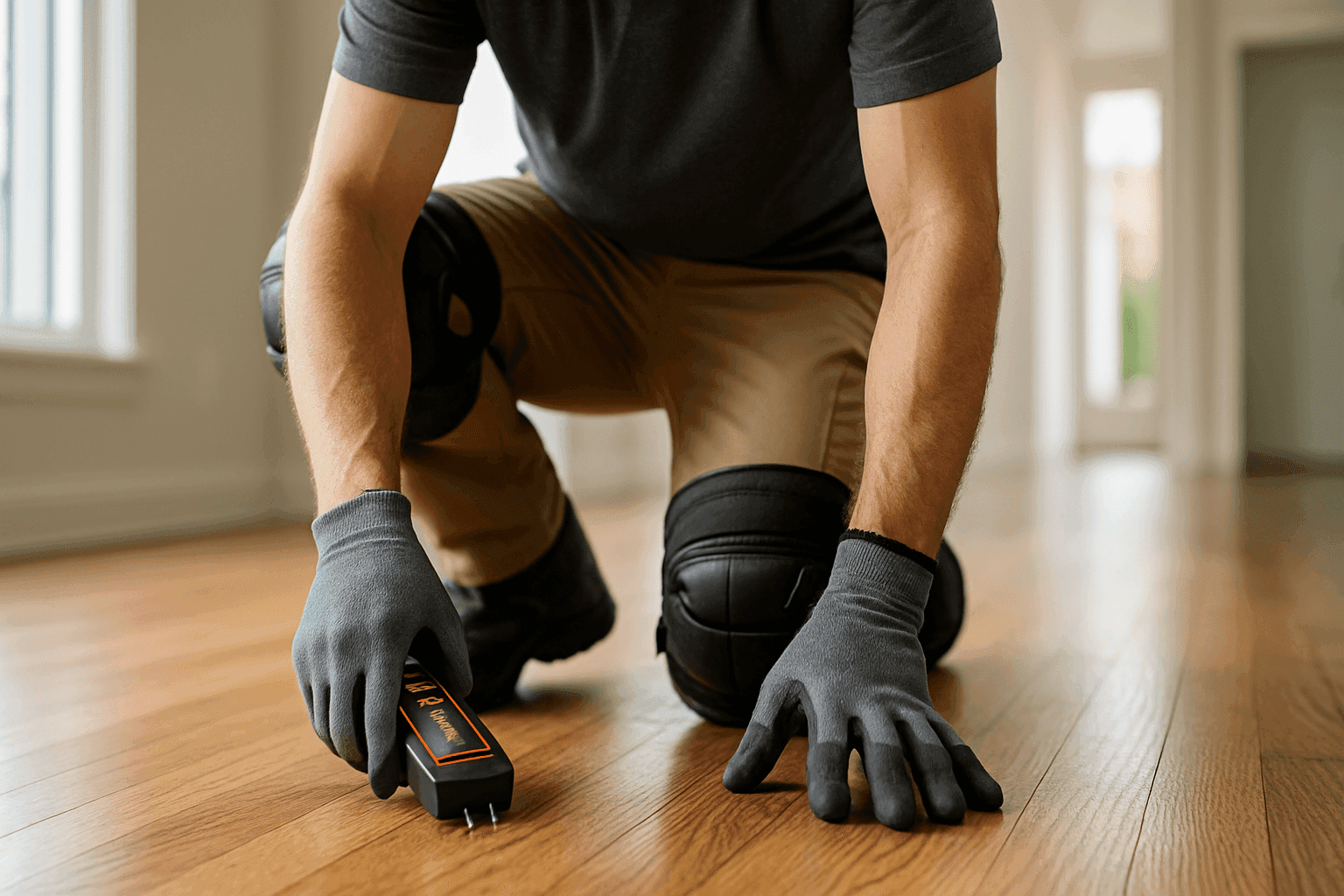
Moisture is one of those silent problems that can turn a beautiful floor into a buckled, musty mess. Maybe you’ve seen it—a warped plank, a spreading stain, a persistent odor. You’re not alone. At SunCoast Flooring Solutions, we hear from homeowners and businesses dealing with moisture issues all year.
Protecting your floors isn’t just about what you see. It’s about what’s happening underneath, especially when the weather shifts or a small leak goes unnoticed. Let’s break down what causes hidden moisture damage, what you can do to prevent it, and when to call in the pros.
Why Moisture Is a Hidden Threat to Your Floors 💧
Water doesn’t need an open invitation to cause trouble. It finds the smallest cracks, sneaks in with the humidity, or seeps through concrete. Over time, it can rot wood, delaminate vinyl, corrode concrete, and foster mold growth. Even a tiny amount can spell big trouble.
Unlike a spilled drink, most moisture problems happen out of sight—beneath the surface. Floors may look fine on top while trouble brews below. That’s why vigilance is key, especially if you’ve invested in luxury vinyl plank (LVP), hardwood, or basement flooring.
Common Causes of Moisture Problems – Condensation, Leaks, Poor Ventilation 🌧️
Moisture issues can sneak up in many ways. Here’s what to watch for:
- Condensation: Warm, humid air meets a cool surface (like a basement slab or garage floor) and water forms. This happens often in spring and summer.
- Leaks: Plumbing mishaps, roof drips, or cracked foundations allow water to invade. Sometimes, the culprit is as simple as a faulty appliance hose.
- Poor Ventilation: Stale air traps humidity, especially in basements, crawl spaces, and rooms with limited airflow.
- Flooding & Storms: Heavy rain can overwhelm old foundations or window wells, sending water where it doesn’t belong.
The U.S. Environmental Protection Agency (EPA) and International Residential Code (IRC) both stress the importance of proper moisture control for healthy, long-lasting floors.
Signs You Have a Moisture Issue – What to Look For 👀
Sometimes, the floor whispers before it shouts. Early warning signs include:
- Cupping or crowning in hardwood planks.
- Bubbling or peeling in vinyl flooring.
- Mystery musty odors that don’t go away.
- White powdery residue (“efflorescence”) on concrete.
- Persistent damp or dark patches in basements or garages.
- Loose tiles, popping grout, or soft spots underfoot.
If you notice any of these, don’t ignore them. Even small changes can point to bigger problems under the surface.
Floor Types Most at Risk – Basements, Concrete, Below-Grade Areas 🏚️
Some floors are more vulnerable than others:
- Basement Flooring: Below-grade spaces are natural magnets for moisture, especially if drainage or vapor barriers are missing.
- Concrete Flooring: Concrete breathes, drawing moisture up from the ground. This is a major issue in older homes or commercial spaces.
- Garage Flooring: Exposure to rain, snow, and road salt makes garages extra susceptible.
- Vinyl, Laminate & Hardwood: While some materials resist surface spills, they can trap moisture underneath, leading to hidden decay.
If your home or business sits in a flood-prone area or has a history of leaks, extra vigilance is crucial.
Moisture Barriers – Types, Placement, Effectiveness 🛡️
Think of a moisture barrier as a raincoat for your floors. There are different types:
- Sheet Barriers: Heavy-duty plastic or rubber sheets placed between subfloor and finished flooring. Best for basements and concrete slabs.
- Liquid Barriers: Roll-on or spray-applied products that seal porous surfaces.
- Underlayment Barriers: Specialized pads installed under laminate, vinyl, or engineered wood for extra protection and soundproofing.
Proper placement is everything. Barriers should be installed before the flooring goes in—not as an afterthought. The American Society for Testing and Materials (ASTM) provides standards (ASTM F3010, for example) for moisture mitigation under resilient flooring.
Pro tip: Always have moisture levels professionally tested (using a calcium chloride or relative humidity test) before installing new floors over concrete or below-grade spaces.
Seasonal Strategies – Storms, Floods, Humidity 🌦️
Moisture doesn’t take a vacation. Here’s how to keep your guard up all year:
- Before Rainy Season: Clean gutters, check downspouts, and inspect foundation walls for cracks.
- During Humid Months: Use dehumidifiers in basements and enclosed spaces. Set HVAC systems to control indoor humidity (ideally 30–50% RH).
- After Storms or Flooding: Act fast. Remove wet rugs, start fans, and check for standing water.
- In Winter: Watch for ice dams on roofs and keep garage floors clear of melting snow.
Routine checks, especially before and after weather events, can save you thousands in repair costs.
When to Seek Professional Help – Floor Inspections & Solutions 🛠️
DIY fixes have their place, but sometimes you need a trained eye. Here’s when it’s smart to call in SunCoast Flooring Solutions:
- Persistent or spreading damp areas.
- Visible mold or mildew.
- Subfloor feels soft or bouncy.
- Repeated issues after self-repairs.
- Planning a major flooring upgrade (especially over concrete or in basements).
Professional floor inspections use industry-standard moisture meters and thermal imaging to spot trouble you can’t see. This isn’t guesswork—it’s science.
What to expect: Our team will assess the subfloor, test for hidden moisture, recommend the right barrier or repair, and document findings for insurance or code compliance.
DIY Moisture Prevention Tips 🛠️
You don’t need to wait for trouble. Here’s what you can do today:
- Use a hygrometer to monitor indoor humidity.
- Run fans and open windows when weather allows.
- Check under sinks, water heaters, and appliances for leaks.
- Seal cracks in foundation walls with approved masonry products.
- Store firewood, cardboard, and other absorbent materials off the floor.
- Choose flooring materials designed for your space (e.g., LVT or epoxy for basements and garages).
- Clean up spills immediately—don’t let water linger.
When to Call a Pro – Know Your Limits 🏥
Some issues are too big, hidden, or risky for DIY. Call in SunCoast Flooring Solutions if:
- You find standing water under the floor.
- Floors are buckling or warping in multiple rooms.
- Mold keeps coming back after cleaning.
- You’re unsure what’s causing the moisture.
The cost of waiting is often higher than the cost of a professional inspection and fix.
What Professionals Do on Arrival
When our team arrives, here’s what we bring:
- Certified moisture testing: Using ASTM-recommended protocols.
- Thermal imaging: To detect hidden leaks and cold spots.
- Floor and subfloor assessment: Checking for structural damage.
- Custom solutions: From barriers to floor leveling to full remediation, always based on real data.
You get clear answers—and a plan built for your space and your flooring.
Prevention & Maintenance – Year-Round Habits
Keep your floors dry and strong with these habits:
- Inspect at-risk areas each season.
- Maintain all caulking and seals around windows and doors.
- Schedule annual floor inspections—especially if you have luxury vinyl plank, hardwood, or basement flooring.
- Clean and reseal grout or floor coatings as recommended.
- Upgrade to moisture-resistant underlayments during renovations.
A little prevention goes a long way—like carrying an umbrella, even on cloudy days.
Costs & Time Factors
- DIY fixes: Caulking, basic sealing, and running dehumidifiers—often quick and affordable.
- Professional inspection: Usually takes 1–2 hours, and is a modest investment compared to major repairs.
- Barrier installation or floor repair: Depends on material and square footage, but most residential jobs are completed in a day or two.
- Major remediation: Can take several days, especially if mold or subfloor replacement is needed.
Prompt action usually keeps costs—and headaches—down.
When It’s an Emergency
Some moisture problems can’t wait:
- Water is actively pooling or rising.
- Lights flicker or there’s a risk of electrical contact.
- You smell strong mold or see visible growth spreading.
- Floors are dangerously soft or uneven.
In these cases, call SunCoast Flooring Solutions immediately and, if safe, turn off power to affected areas.
FAQ
Q: How often should I have my floors inspected for moisture?
A: At least once a year, or before installing new flooring. Basements and commercial spaces benefit from more frequent checks.
Q: Can vinyl flooring prevent moisture problems?
A: Vinyl is water-resistant on top, but moisture can still rise from below. Always use a proper barrier underneath, especially over concrete.
Q: What’s the best way to dry out a wet subfloor?
A: Remove surface water, increase ventilation, and use commercial-grade dehumidifiers. For serious cases, professional drying and repair are needed.
Q: Is epoxy flooring good for moisture-prone spaces?
A: Yes. Epoxy creates a seamless, moisture-resistant surface—ideal for garages, basements, and commercial kitchens.
Local & Seasonal Considerations
Whether you’re in a stormy coastal region or a humid inland city, moisture is a year-round concern. Basements and ground-level rooms need extra attention in rainy seasons. Older buildings or those with history of leaks should be checked more often.
If you’re searching for “vinyl flooring near you” or need help with moisture barriers, remember: every floor, every season, every space deserves protection.
Think you might have a moisture problem—or just want peace of mind before the next storm?
Call SunCoast Flooring Solutions now — or reach us anytime at 877-796-9197 .