Epoxy Flooring for Garages & Basements: Benefits, Costs, and Maintenance
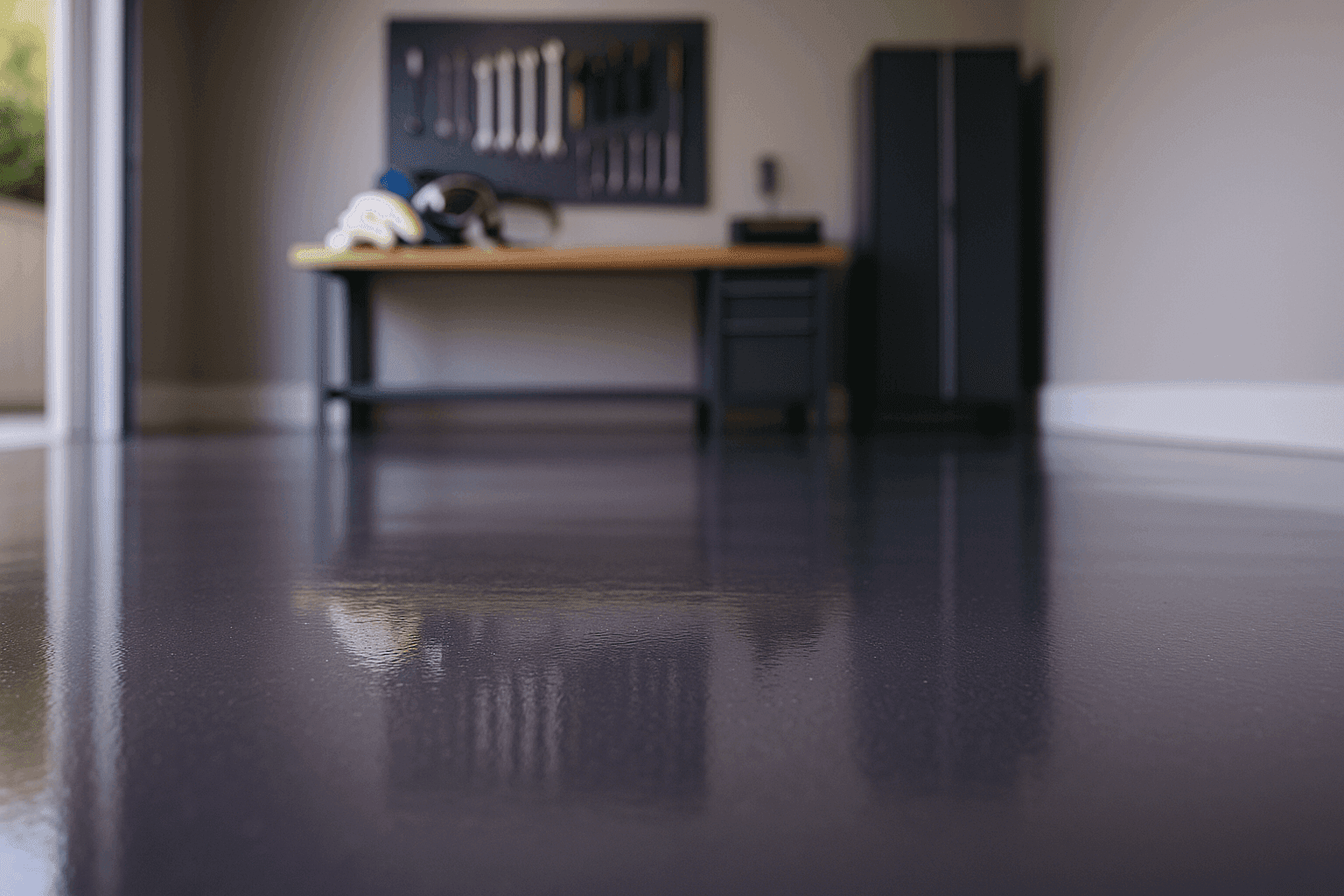
Every garage or basement tells a story. Sometimes it’s a tale of spilled oil, muddy shoes, or the relentless drip of groundwater. Maybe it’s a space for hobbies, storage, or a new home gym. No matter how you use yours, the right flooring makes all the difference.
At SunCoast Flooring Solutions, we know that the best decisions start with the facts. If you’ve ever wondered whether epoxy flooring is the right choice for your garage or basement, you’re in the right place. Let’s roll up our sleeves and get into what really matters—durability, cost, maintenance, and making smart choices for your space.
What Is Epoxy Flooring? – Definition, Types, Where It's Used 🛠️
Epoxy flooring isn’t just a shiny coat. It’s a tough, resin-based system made by mixing two key components: resin and hardener. When combined, they create a rock-solid surface that bonds directly to concrete. Think of it like armor for your floors—a shield against stains, moisture, and wear.
Common Types of Epoxy Flooring
- Solid Epoxy Coatings: The classic, ultra-durable choice for garages and basements. Thick, seamless, and built to last.
- Epoxy Flake (Color Chip) Systems: Decorative chips added for texture and style. Great for hiding dirt and adding slip resistance.
- Metallic Epoxy: Swirling, high-gloss finishes that turn any floor into a showpiece.
- Quartz-Filled Epoxy: Includes colored quartz grains for extreme durability and a unique look.
Where You’ll Find Epoxy
- Garages: Shields concrete from oil, salt, and tire marks.
- Basements: Blocks moisture and transforms drab floors into functional, beautiful spaces.
- Commercial Spaces: Warehouses, showrooms, retail, and healthcare settings—all benefit from epoxy’s resilience.
- Workshops & Utility Rooms: Withstands heavy foot traffic and dropped tools.
Key Benefits – Durability, Appearance, Chemical Resistance, Safety
Imagine a floor built like a tank, but as sleek as a sports car. That’s epoxy in a nutshell.
Why Epoxy Stands Out
- Durability: Epoxy can handle trucks, tool drops, kids’ bikes, and everything in between. It resists cracking and peeling, even in busy areas.
- Stain & Chemical Resistance: Oil, brake fluid, cleaners, and most household chemicals wipe away easily—no permanent marks.
- Moisture Barrier: Helps keep dampness out, making epoxy perfect for basements or high-humidity garages.
- Slip Resistance: Additives or decorative chips can boost traction, lowering your risk of slips—especially important where wet shoes or spills are common.
- Custom Looks: Choose from classic grays, bold blues, or add color chips for a speckled granite effect. There’s a style for every taste.
- Light Reflection: The glossy finish can brighten dark rooms and basements, making the space feel larger and more welcoming.
- Safety: Epoxy can be installed with non-slip surfaces and marked safety zones, following guidelines from the Occupational Safety and Health Administration (OSHA).
Epoxy Flooring Costs – Price Factors, Typical Ranges, Value Over Time 💲
Budget matters. But so does value. Epoxy flooring isn’t the cheapest up-front option, but it offers major long-term savings—especially in tough spaces like garages or basements.
What Affects the Price?
- Size of Area: Larger spaces cost more, but per-square-foot rates often decrease with size.
- Floor Condition: Cracks, moisture problems, or uneven concrete may need repair before epoxy goes down.
- Type of Epoxy System: Solid color is most affordable; metallic and custom chip systems cost more.
- Number of Coats: More layers mean higher durability—and higher price.
- Extras: Slip-resistant additives, decorative flakes, or integrated logos increase the total.
Typical Cost Ranges
- DIY Kits: $3–$7 per square foot (not including prep tools or repairs)
- Professional Installation: $8–$15 per square foot, depending on complexity and options
Value Over Time
Epoxy’s secret weapon is durability. Unlike cheaper paints or mats, epoxy rarely needs replacement. That means fewer repairs, less downtime, and a floor that keeps looking sharp year after year. It’s an investment that pays off—especially if you’re thinking about resale value or long-term savings.
Maintenance Tips – Cleaning, Repairs, Longevity 🧹
Epoxy floors don’t ask for much. But a little care goes a long way.
Keeping Your Epoxy Floor Looking Fresh
- Sweep Often: Dust and grit can dull the shine over time. Use a soft broom or dust mop.
- Mop with Mild Cleaners: Warm water and a gentle floor cleaner work best. Skip harsh acids or abrasive pads.
- Tackle Spills Quickly: Wipe up oil, chemicals, and water as soon as possible to avoid stains.
- Avoid Metal Scrapers: For sticky messes, use a plastic putty knife.
- Check for Wear: High-traffic spots may dull over the years. Professional touch-ups can restore the surface.
Simple Repairs
- Chips or Scratches: Most minor damage can be filled and recoated.
- Peeling or Bubbling: Usually a sign of improper installation or moisture. Call a pro for assessment.
Longevity Tips
- Place Mats or Rugs: Use at entry points to catch grit before it hits the floor.
- Maintain Humidity: In basements, run a dehumidifier if you notice excess moisture.
- Annual Inspection: Regular checkups spot small issues before they grow.
Comparing Epoxy to Other Garage/Basement Floor Options
With so many flooring choices—how do you know epoxy is right for you? Let’s break it down.
Epoxy vs. Vinyl Flooring
- Vinyl Flooring near you is fast to install and comes in many looks, but it can puncture or warp with moisture. Epoxy is tougher and fully waterproof.
- LVP (Luxury Vinyl Plank) and LVT (Luxury Vinyl Tile) are popular for finished basements but aren’t ideal for garage-level abuse.
Epoxy vs. Concrete Sealers & Paint
- Concrete Paint: Cheap, but chips and peels quickly under cars or heavy storage.
- Sealers: Add some protection but lack the durability and style of epoxy.
Epoxy vs. Interlocking Tiles
- Rubber Tiles: Good for cushioning, but can trap moisture and shift over time.
- Plastic Tiles: Easy to replace, but not as seamless or waterproof as epoxy.
Epoxy vs. Tile or Laminate
- Tile Flooring: Durable and stylish, but grout lines can stain and tiles can crack in freeze-thaw cycles. Not as slip-resistant as textured epoxy.
- Laminate Flooring: Not recommended for garages or moist basements due to warping.
Bottom line: If you want a long-lasting, waterproof, and easy-to-clean surface—especially for high-moisture or high-use areas—epoxy is hard to beat.
When to Hire a Pro – Installation Risks, Surface Prep 🛡️
Epoxy installation isn’t a casual weekend DIY. The right prep and technique make all the difference.
Risks of DIY Epoxy
- Surface Prep: Concrete needs to be clean, dry, and properly profiled (using grinders or acid etching). Miss a step, and the epoxy may peel or bubble.
- Mixing & Timing: The resin and hardener must be mixed in precise ratios—too fast or too slow, and the finish can fail.
- Moisture Testing: Hidden moisture in the slab leads to all sorts of problems. Pros check with specialized meters.
- Fumes & Safety: Some products release strong odors. Proper ventilation and safety equipment (as per OSHA and local codes) are a must.
When to Call SunCoast Flooring Solutions
- Uneven or Damaged Floors: We know how to repair cracks, fill dips, and level surfaces.
- Moisture Issues: Our team can install moisture barriers to protect your investment.
- Custom Designs: Looking for color chips, metallic effects, or slip-resistant finishes? We have the tools and experience.
A professional install means less risk, better results, and a warranty you can stand on.
Suitability for High-Moisture Areas
Garages and basements are notorious for moisture problems. Epoxy’s seamless surface blocks water intrusion, fights mold, and keeps your space dry. For extra protection, ask about moisture barrier installation—a smart upgrade in humid climates or older homes.
Slip Resistance, Color Chips, and Decor Options 🎨
Worried about slippery floors? Epoxy can be customized with textured additives or decorative color chips, giving you grip where you need it most.
- Color Choices: Endless—from classic gray to bold, contemporary hues.
- Decorative Flakes: Add style and help hide everyday dirt.
- Anti-Slip Additives: Choose fine sand, aluminum oxide, or special granules for extra safety.
Your garage or basement doesn’t have to look like everyone else’s. Make it your own.
Return on Investment: Does Epoxy Flooring Pay Off?
A finished garage or basement adds real value to your home. Epoxy floors look sharp in listing photos and impress buyers during walk-throughs. But ROI isn’t just about resale—think about the time and hassle you’ll save on cleaning and repairs. Over five or ten years, epoxy almost always wins the cost-per-year battle against cheaper alternatives.
Seasonal Installation Timing
Epoxy cures best in moderate temperatures and low humidity. Spring and fall are ideal, but with the right equipment, pros can install year-round. Just avoid freezing or extremely humid days if possible. Planning ahead means you’ll get the best possible finish.
Common Epoxy Flooring Questions
How long does epoxy flooring last?
With proper care, 10–20 years or more. High-traffic garages may need a touch-up or recoating sooner.
Can epoxy be installed over old paint or damaged concrete?
Only if the surface is thoroughly cleaned and prepped. Sometimes, removal or repair is needed for best results.
Is epoxy safe for kids and pets?
Once cured, epoxy is non-toxic and safe. Installation requires good ventilation and professional safety practices.
What about radiant floor heating?
Epoxy works well with radiant heating. It conducts heat efficiently and won’t crack with temperature changes.
Local and Seasonal Considerations
Every region has unique challenges—humidity, freeze-thaw cycles, salty winter roads. If your garage or basement is prone to moisture, ask about moisture barriers or vapor testing. For areas with lots of snow or rain, textured finishes add safety. And if you’re planning around the seasons, book early—spring and fall slots fill up fast!
Ready to transform your garage or basement with the lasting power of epoxy?
Call SunCoast Flooring Solutions now — or reach us anytime at 877-796-9197 .