Radiant Floor Heating: Benefits, Compatibility, and What to Know Before Installing
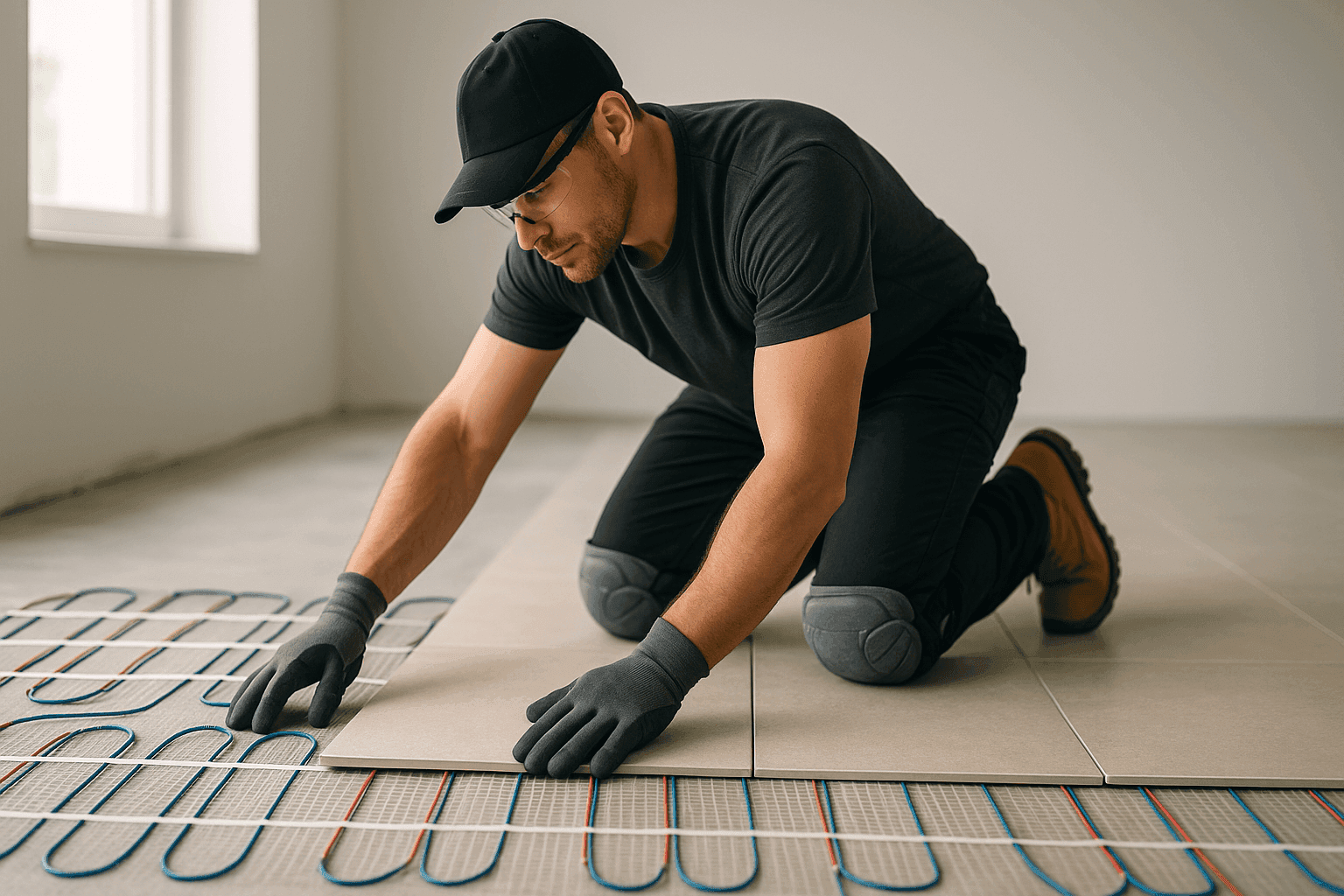
Imagine stepping out of bed on a chilly morning and feeling… warmth. Not just in your toes, but gently rising through your entire space, without the blast of vents or the chill of cold spots. That’s the comfort radiant floor heating brings—right under your feet.
At SunCoast Flooring Solutions, we know that upgrading your flooring is more than a style choice; it’s a chance to transform how your home or business feels every single day. Radiant heat is one of those upgrades that can make people say “Why didn’t we do this years ago?”
What Is Radiant Floor Heating?
Radiant floor heating is a system that warms a room from the ground up. Instead of pushing hot air through ducts or using baseboard heaters, it quietly radiates heat through the floor surface. The result? Consistent, even warmth—no cold corners, no noisy fans.
There are two main types:
- Hydronic: Circulates warm water through pipes beneath the floor.
- Electric: Uses heated cables or mats under the flooring.
Both methods tuck away neatly, out of sight. The choice depends on your project, energy source, and budget. For new construction, hydronic systems are often favored. For retrofits or small spaces, electric systems are usually simpler.
Key Benefits – Comfort, Health, Energy Savings 🏠
Let’s break down why so many homeowners and businesses are turning to radiant floor heating:
- Unbeatable Comfort: No more shock from icy tile or hardwood first thing in the morning. Heating starts where you need it most—at your feet.
- Even Heat Distribution: Air systems can create hot and cold zones. Radiant heat spreads warmth evenly, wall to wall.
- Quiet Operation: With no fans or blowers, radiant systems are nearly silent.
- Better Air Quality: No forced air stirring up dust, pollen, or allergens—great news for anyone with allergies or asthma.
- Energy Efficiency: Radiant heat can lower energy use. The U.S. Department of Energy notes that it can be more efficient than baseboard or forced-air systems, especially when paired with proper insulation and programmable thermostats.
- Zoned Control: Many systems allow you to heat specific rooms, so you only pay to warm the spaces you use.
Floor Types That Work Best With Radiant Heat – Tile, LVP, Engineered Wood, Concrete
Not every floor plays nicely with radiant heat. Here’s what works best:
- Tile Flooring: Ceramic and porcelain tiles are radiant heat’s best friends. They conduct heat quickly, making your floor toasty in no time.
- Luxury Vinyl Plank (LVP) & Tile (LVT): Modern LVP and LVT are often compatible with radiant systems. Always check the manufacturer’s specs to be sure.
- Engineered Wood: More stable than solid hardwood, engineered wood resists warping and works well with radiant heat—just keep humidity in mind.
- Concrete Flooring: Concrete holds and radiates heat efficiently. Perfect for basements, garages, and modern design spaces.
- Laminate & Bamboo: Some products are rated for radiant systems. Look for “radiant heat approved” on packaging.
- Carpet: Lower pile is better. Thick padding or shag can block heat.
Pro Tip: Always check with your flooring manufacturer. Using the wrong floor type can void warranties or cause long-term damage.
Installation – What to Expect, Professional Requirements 🔧
Radiant floor heating isn’t just a weekend DIY project. Here’s what installation looks like:
- Planning & Consultation: It starts with a flooring consultation. We’ll assess your current floors, subfloor, and the needs of your space.
- Subfloor Preparation: The subfloor must be clean, level, and dry. Sometimes, floor leveling or subfloor repair is needed.
- System Installation:
- Electric: Cables or mats are rolled out and secured to the subfloor.
- Hydronic: Flexible tubing is laid out and connected to a boiler or water heater.
- Moisture Barrier & Insulation: Installing a moisture barrier is critical—especially in basements or over concrete. Insulation below the system improves performance and prevents heat loss.
- Flooring Installation: The final floor is installed above the heating system. Tile, LVP, engineered wood, or concrete go in last.
- Testing & Commissioning: Before you use it, the system is tested for safety and performance.
Building Codes & Safety: All installations must comply with the National Electric Code (NEC) and local building codes. For hydronic systems, plumbing codes apply. Permits and inspections may be required—especially for commercial spaces.
Maintenance and Troubleshooting 🛠️
Radiant floor heating is low-maintenance, but not set-and-forget. Here’s how to keep things running smoothly:
- Annual Check-Ups: For hydronic systems, have a professional check pumps, valves, and water quality yearly.
- Thermostat Calibration: Test your thermostat once a season to ensure accurate temperatures.
- Floor Inspections: Watch for hot or cold spots, which can signal a problem below.
- Grout Cleaning and Sealing: With tile, keep grout clean and sealed to prevent damage from moisture.
- Prompt Repairs: If you notice uneven heating or a spike in your energy bill, call for a floor inspection right away.
Most issues are rare if installed correctly, but prompt attention prevents bigger headaches down the line.
Is Radiant Heat Right for You? – Cost, Building Age, Climate
Radiant floor heating isn’t a one-size-fits-all solution. Let’s weigh the key considerations:
- Cost: Upfront costs are higher than traditional heating, especially for whole-home systems or retrofitting. However, energy savings can pay off over time.
- Building Age: New construction? Radiant is easiest to install and can be designed into your plans. Older homes may require flooring removal and subfloor repair, adding time and cost.
- Climate: Radiant heat shines in cold climates but can also work well in milder areas for comfort and efficiency.
- Floor Height: Some systems add height. This can affect door clearance or transitions between rooms.
- Commercial vs. Residential: Works for both! Commercial flooring projects often use radiant heat for energy efficiency and comfort in large spaces.
- Retrofitting vs. New Construction: Retrofitting is possible, but more complex and costly. New builds are simpler and more affordable.
Safety: Modern systems are safe when installed to code. Electric systems have built-in sensors and shutoffs. Hydronic systems are designed to prevent leaks and overheating. Choose a licensed professional who follows manufacturer guidelines and local codes.
Eco-Friendly Options: Radiant heat pairs well with eco-friendly flooring like bamboo or cork, as long as they’re approved for use over radiant systems.
Practical Tips Before You Install
- Ask for References: Choose a flooring contractor with experience in radiant installations.
- Request a Floor Inspection: Assess moisture, subfloor condition, and compatibility.
- Plan for the Future: Think about future flooring upgrades or repairs—choose a system that’s accessible if needed.
- Check Your Warranty: Ensure both the heating system and floor covering are covered for radiant use.
Frequently Asked Questions
Will radiant floor heat work with my existing floors?
It depends. Tile and concrete floors are easiest to retrofit. Wood, LVP, and laminate may require removal and reinstallation. Always check compatibility.
Does radiant floor heat replace my furnace?
Often, yes. In some climates or larger spaces, you may still want backup heating for extreme cold snaps.
Is it safe for families and pets?
Absolutely—when installed to code. There are no exposed elements, sharp corners, or hot surfaces.
How long does installation take?
From a few days for a single room to a couple of weeks for a whole home. New construction is much faster than retrofitting.
Local and Seasonal Considerations 🌦️
In humid climates or basements, moisture barrier installation is critical. Without it, moisture can damage both the heating system and your flooring. For older homes, subfloor repair and leveling may be needed to ensure safety and efficiency.
Seasonal maintenance—like checking your thermostat before winter—keeps things running smoothly. In commercial spaces, routine floor inspections and floor maintenance help avoid costly downtime.
Authoritative sources like the National Electric Code (NEC), the U.S. Department of Energy, and the National Wood Flooring Association offer excellent guidance on installation best practices and safety.
Ready to experience the comfort of radiant floor heating? Call SunCoast Flooring Solutions now — or reach us anytime at 877-796-9197 .