How to Prevent Moisture Damage Under Floors: Barriers & Best Practices
Moisture finds a way. Even the toughest floors can fall victim to water sneaking in from below. You might not see the damage until it’s too late—a warped board here, a musty smell there, paint bubbling like tiny blisters underfoot. It’s not just about looks. Hidden moisture can threaten your home’s structure and your health.
At SunCoast Flooring Solutions, we've seen firsthand how quickly a small drip can turn into a major headache. This guide breaks down what you need to know to keep your floors dry, strong, and beautiful for years to come.
How Moisture Gets Under Floors—and Why It Matters
Imagine your floor as a shield. But even shields have weak spots. Water vapor can rise through concrete, crawl in at the edges, or seep up from a damp basement. Everyday life—spills, humidity, even cleaning—adds to the challenge.
Why is this such a big deal?
- Mold and mildew love dark, damp places.
- Wood swells and buckles. Vinyl and laminate can bubble.
- Adhesives loosen, grout crumbles.
- Long-term moisture can rot subfloors and even damage joists.
According to the International Association of Certified Home Inspectors, excess moisture under floors is a leading cause of structural decay in homes and commercial buildings.
Quick Safety Checklist: Spotting Trouble Early 🛑
Catch moisture before it catches you. Here’s a short checklist to stay ahead:
- Look for stains: Dark patches or rings on floors and baseboards.
- Feel for movement: Boards that give or “squish” underfoot.
- Sniff for mustiness: Mold smells mean trouble.
- Check your HVAC: Excess condensation or leaking pipes nearby.
- Inspect grout and caulk: Cracks can be gateways for water.
If any of these sound familiar, it’s time to act. Fast detection is your best friend.
DIY vs. Call a Pro: When to Tackle It Yourself
Some moisture issues are like a spilled cup of water—easy to handle with a towel (and maybe a fan). Others are more like a burst pipe or a creeping fog that never leaves. The difference? What’s above and below the surface.
DIY-Friendly:
- Spills or minor leaks you can dry within 24 hours.
- Small, visible patches of mold on hard surfaces.
- Checking and running dehumidifiers.
Better Call a Pro:
- Recurring damp spots or musty smells.
- Buckled, warped, or spongy subfloors.
- Unexplained mold growth.
- Moisture readings above 12% in wood (see National Wood Flooring Association guidelines).
Flooring pros use specialized meters, thermal cameras, and years of experience to spot hidden risks—things most folks would never find.
What Pros Do On Arrival
Flooring specialists don’t just “look around.” Here’s what happens when SunCoast Flooring Solutions steps in:
- Assessment: Moisture meters test floors, subfloors, and air.
- Inspection: Check for visible and invisible damage—lifting floors, mold, or stained walls.
- Root Cause Hunt: Is it plumbing, HVAC, exterior drainage, or ground vapor?
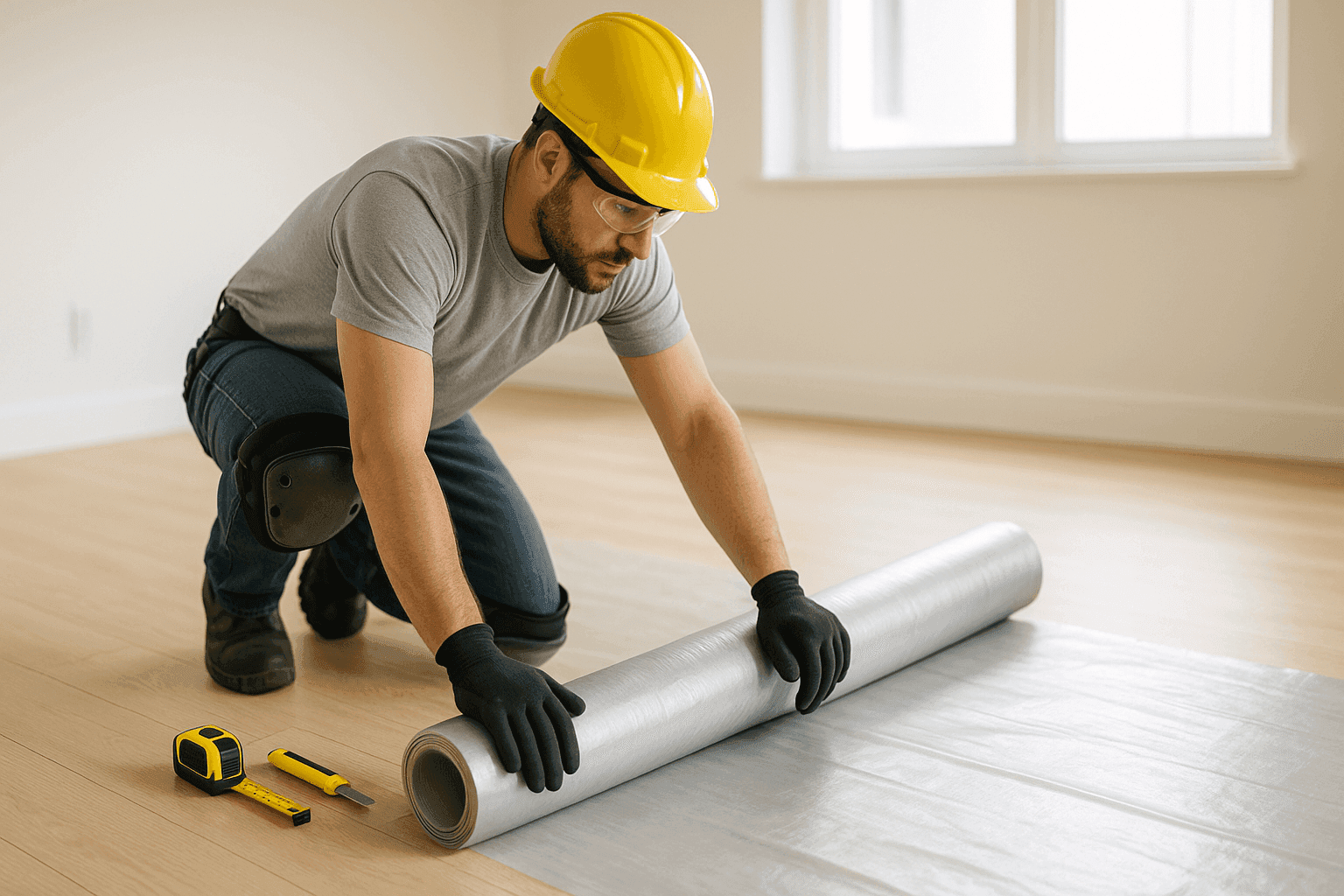
- Barrier Recommendations: Choosing the right barrier—sheet plastic, liquid membranes, or specialty underlayments.
- Action Plan: Repair, replacement, or barrier installation as needed.
Every floor is different. Vinyl Flooring near you? Concrete slab? Finished basement with radiant heat? Each needs a tailored approach.
Prevention & Maintenance: Keep Moisture Out for Good
Prevention is less about big heroics and more about smart habits. Here’s what helps:
- Install moisture barriers under new flooring—especially over concrete, crawlspaces, or basements.
- Choose the right materials: LVP, LVT, tile, and engineered hardwood handle moisture better than solid wood.
- Seal cracks and gaps: Especially at transitions, thresholds, and baseboards.
- Maintain humidity: Keep indoor levels between 30%–50% (EPA recommendations).
- Regular inspections: Especially before and after storm season.
- Flooring maintenance: Clean up spills quickly, and use mats in high-risk spots.
Seasonal Tips: Storms, Floods & Humid Summers
- Storm Prep: Clear gutters, check sump pumps, move valuables off basement floors.
- Flood Response: If water enters, remove area rugs and furniture, run fans and dehumidifiers ASAP.
- Summer Humidity: Use air conditioning and exhaust fans to prevent condensation.
Costs & Time Factors: What to Expect
There’s no one-size-fits-all price tag. Costs depend on the size of the area, the type of floor, and the barrier you choose.
- Moisture barrier installation: Ranges from affordable sheet plastic (for crawlspaces) to premium liquid membranes or soundproof underlayments.
- Repairing water damage: Costs rise with mold removal, subfloor repair, or full floor replacement.
- Time: Small jobs—like a single room—can take just a day. Larger repairs or commercial spaces may take several days or more, especially if drying is needed.
Always budget a little extra time if repairs mean you can’t use the room right away.
When It’s an Emergency
A pipe bursts. A heavy rain floods your basement. These moments call for speed, not panic.
Emergency Steps:
- Stop the source: Shut off water if you can.
- Move valuables: Get furniture and rugs out of harm’s way.
- Soak up standing water: Towels, mops, wet vacs.
- Ventilate: Open windows, run fans and dehumidifiers.
- Call for help: The sooner pros arrive, the more you save.
If you see mold, avoid disturbing it—spores can spread fast. Let professionals handle cleanup and repairs.
FAQ: Moisture Barriers & Flooring Questions
Q: Do I need a moisture barrier under all floors?
A: Not always. Concrete, basements, and crawlspaces almost always need one. Over plywood in dry, upper floors? Sometimes it’s not required—but check manufacturer recommendations.
Q: How do I know which barrier to choose?
A: It depends on your floor type, subfloor, and local climate. Sheet plastic (polyethylene) is common for concrete; liquid sealers or membranes for tricky spots; specialty underlayments for soundproofing or radiant heat.
Q: What are signs my existing barrier failed?
A: Warping, musty smells, loose flooring, or visible mold are red flags. Also, rising utility bills from excess humidity.
Q: Can I install a new barrier over old floors?
A: Sometimes, with floating floors. But for glued or nailed floors, it’s best to remove and start fresh.
Local & Seasonal Considerations: Don’t Let Weather Win 🌦️
Moisture is a year-round challenge, but some seasons hit harder.
- Rainy season: Basements and ground-level floors are at higher risk for seepage.
- High humidity: Coastal and southern climates see more vapor drive—meaning water moves from warm, wet air into cool subfloors.
- Winter: Frozen pipes can burst and flood floors without warning.
Check local building codes and recommendations from organizations like the National Association of Home Builders for your region’s best practices. And remember—what works in one home or business may not be right for another.
Moisture damage doesn’t have to be your flooring’s fate. With smart planning and quick action, you can keep your floors safe, dry, and beautiful—no matter what’s happening outside.
Call SunCoast Flooring Solutions now — or reach us anytime at 877-796-9197 .