Luxury Vinyl Plank (LVP) vs. Luxury Vinyl Tile (LVT): What’s the Difference?
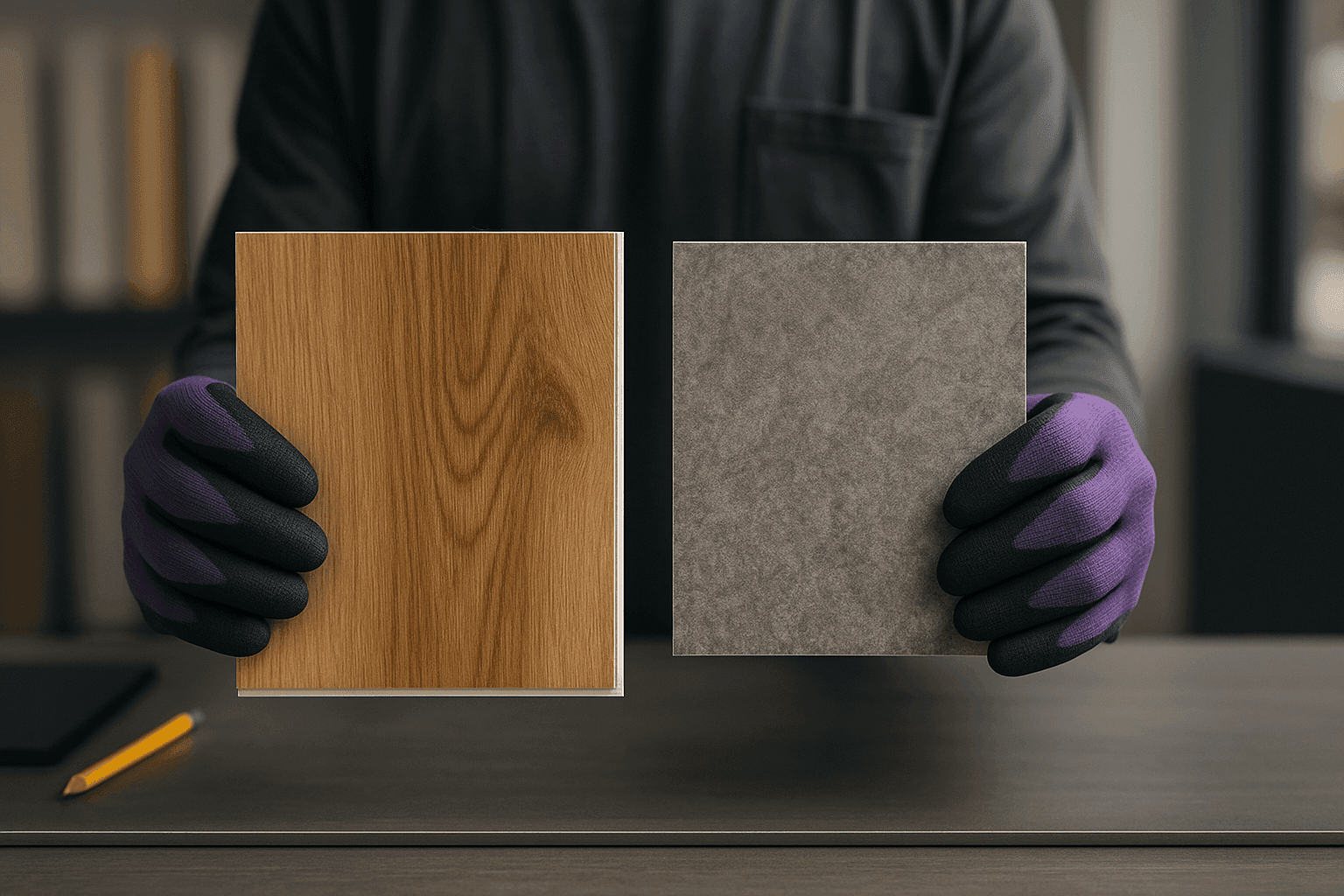
Choosing new flooring can feel a bit like standing at a crossroads. You want something that looks great, stands up to life’s messes, and won’t leave you second-guessing your investment. For many homeowners and business owners, luxury vinyl is high on the list. But then comes the real fork in the road: Luxury Vinyl Plank (LVP) or Luxury Vinyl Tile (LVT)?
At SunCoast Flooring Solutions, we’ve helped hundreds of clients face this same choice. Let’s break down what sets LVP and LVT apart, where each shines, and which one might be the perfect fit for your space.
The Scenario: Why LVP vs. LVT Matters
Imagine this: You’re staring at samples in a showroom. Planks that mimic the warmth of hardwood. Tiles that capture the cool, classic look of stone. Both are labeled “luxury vinyl.” Both claim to be tough, easy to clean, and water-resistant. But which matches your vision—and your day-to-day reality?
The difference isn’t just about looks. It’s about how the flooring will perform under muddy boots, spilled drinks, and the stampede of little feet or high heels. It’s about how seamlessly it fits your lifestyle or business traffic. Understanding LVP and LVT is about making sure you love your floors not just today, but for years to come.
Appearance: Plank vs. Tile
The most obvious distinction? Shape and style:
- Luxury Vinyl Plank (LVP): Shaped like long boards, usually 4–9 inches wide and up to 60 inches long. Designed to look like hardwood—oak, maple, hickory, and more.
- Luxury Vinyl Tile (LVT): Shaped like squares or rectangles, often 12x12 or 18x18 inches. Mimics the look of stone, ceramic, or porcelain tile.
If your dream is a cozy living room with the warmth of wood, LVP fits the bill. If you prefer the elegance of stone in your kitchen or bath, LVT is your match.
Design Trends: What’s Hot Right Now
- Wide planks in LVP create a modern, airy feel.
- Marble-look LVT brings luxury to bathrooms without the cold shock of real stone.
- Herringbone and chevron patterns with both LVP and LVT are making a big splash in design magazines.
Installation: What to Expect
Both LVP and LVT offer flexible installation. They’re available in click-lock (floating), glue-down, or loose lay formats. Here’s how they stack up:
- LVP: The long boards snap together, making DIY possible for handy homeowners. Great for large, open spaces.
- LVT: Tiles allow for creative patterns—think checkerboard or brick layouts. Some commercial spaces prefer the glue-down method for extra security.
No matter which you choose, a level subfloor is key. Uneven spots can lead to gaps, squeaks, or even damage. At SunCoast Flooring Solutions, we inspect subfloors, handle repairs, and make sure your installation meets manufacturer specs and ASTM standards.
Radiant Heat Compatibility
Both LVP and LVT can work with radiant floor heating—but always check the product specs. Some manufacturers set maximum temperature limits (often around 85°F). Installing over radiant heat? We recommend underlayment approved for heat transfer and moisture protection.
Durability: Standing Up to Life
Luxury vinyl flooring is built for real life. Here’s how LVP and LVT compare:
- Wear Layer: Both have a tough, clear top layer. Thickness matters—thicker wear layers (20 mil or more) are best for heavy traffic.
- Water Resistance: Both are highly water-resistant, making them ideal for kitchens, bathrooms, and basements. Some products are even fully waterproof.
- Scratch Resistance: Quality luxury vinyl resists scuffs and dents. However, dragging heavy furniture or dropping sharp objects can still leave a mark.
Where Each Excels
Kitchens:
- LVP brings warmth and comfort underfoot.
- LVT offers slip resistance and a classic look.
Basements:
- Both handle moisture well, but LVT’s tile shapes make it easier to replace a section if flooding occurs.
Commercial Spaces:
- LVT is often favored in offices and retail for its ability to mimic upscale stone and its modular replacement capability.
- LVP is popular in restaurants and hospitality for its inviting appearance and ease of cleaning.
Quick Safety Checklist ✅
Before you commit, review these must-dos:
- Confirm products are FloorScore or Greenguard certified for indoor air quality.
- Ensure all adhesives and underlayments are compatible with vinyl flooring.
- Check manufacturer’s recommendations for radiant heat compatibility.
- Confirm slip resistance ratings if installing in wet or commercial areas.
- Always use proper PPE (gloves, knee pads, respirator if cutting indoors).
Pros and Cons: The Honest Breakdown
Luxury Vinyl Plank (LVP):
-
Pros:
- Authentic wood look
- Warmer underfoot
- Hides subfloor imperfections well
- Easy to replace a damaged plank
-
Cons:
- Long planks can be trickier in small, irregular rooms
- Some products may fade with prolonged sun exposure
Luxury Vinyl Tile (LVT):
-
Pros:
- Mimics stone or ceramic beautifully
- Modular—replace just one tile if needed
- Great for custom patterns
-
Cons:
- Tile shapes highlight subfloor flaws—leveling is a must
- Cooler underfoot than planks
Maintenance: Keeping Floors Like New
Luxury vinyl is low-maintenance, but a little TLC goes a long way.
Cleaning Advice
- Sweep or vacuum regularly to prevent grit from scratching the surface.
- Mop with a damp (not soaking) microfiber mop and a pH-neutral cleaner.
- Avoid wax or oil-based products—they can leave a residue.
- Place felt pads under furniture to prevent dents and scratches.
- Wipe spills quickly, especially in seams.
The Resilient Floor Covering Institute (RFCI) recommends these steps for both LVP and LVT. With proper care, your floors will keep their good looks for years.
DIY vs. Call a Pro
Tackling vinyl flooring yourself? It’s doable for many. But there are some “gotchas” that trip up even savvy DIYers:
- Subfloor prep is often underestimated. Small dips or humps can cause big problems later.
- Complex layouts, stairs, or radiant heat systems may require advanced skills.
- Cutting LVP or LVT cleanly (without chipping) takes practice.
If you want peace of mind, or if your space has tricky corners or transitions, professional installation is worth it. SunCoast Flooring Solutions handles everything—from moisture barrier installation to post-installation inspections.
What Pros Do On Arrival
When our team walks in, here’s what happens:
- Evaluate the subfloor: Moisture testing, leveling, and repairs if needed.
- Measure and plan: Lay out patterns and transitions for a seamless look.
- Install with precision: We follow all manufacturer guidelines and local building codes.
- Final inspection: We check every seam, edge, and transition for a flawless finish.
Our process is built on years of experience and up-to-date training, so your flooring not only looks great—it performs as promised.
Prevention & Maintenance
A little foresight keeps your floors looking fresh:
- Use walk-off mats at entrances to trap grit.
- Install blinds or curtains to minimize sun fading.
- Reapply protective floor coatings if recommended by the manufacturer.
- Schedule periodic inspections, especially in commercial spaces.
Costs & Time Factors
Luxury vinyl is one of the most budget-friendly flooring solutions—but costs and timelines vary.
- Material: LVP and LVT range from affordable to premium, depending on thickness, wear layer, and brand.
- Installation: DIY can save labor costs, but pros ensure long-term performance.
- Time: Most residential jobs take 1-3 days, depending on room size and prep needs.
Remember, investing in proper subfloor prep and quality materials pays off with fewer repairs down the line.
When It’s an Emergency
Flooded basement? Major spill in a commercial kitchen? Here’s what to do:
- Remove standing water quickly.
- Lift sections of LVT if possible; planks may need to be replaced if damaged.
- Use fans and dehumidifiers to dry the area.
- Call a professional for an inspection—hidden moisture can lead to mold or subfloor damage.
Emergency situations are stressful, but acting fast limits the damage.
FAQ: Your Top Questions Answered
Q: Can I install LVP or LVT over existing tile or hardwood?
A: In many cases, yes—if the existing floor is flat, clean, and dry. But some floors (like loose vinyl or damaged tile) may need to be removed first.
Q: Is luxury vinyl flooring safe for pets?
A: Absolutely. Both LVP and LVT are scratch-resistant and easy to clean. Just keep nails trimmed and wipe up accidents quickly.
Q: Will heavy furniture damage luxury vinyl?
A: Not if you use felt pads and avoid dragging. For extra protection in commercial spaces, consider rolling chairs with soft casters.
Q: How long will my floors last?
A: With proper care, luxury vinyl can last 10–20 years or more. Choosing a thicker wear layer and following care guidelines extends its life.
Local & Seasonal Considerations
In humid or coastal climates, moisture management is key. Always use a moisture barrier beneath vinyl flooring in basements, garages, or ground-level installations.
Seasonal temperature swings can cause minor expansion and contraction—leave a small gap at the wall (usually 1/4 inch) to avoid buckling.
If you’re searching for “Vinyl Flooring near you,” remember: Not all products perform the same in every region. Ask about products with warranties tailored for your climate.
Ready to take the next step? Whether it’s plank, tile, or something else entirely, SunCoast Flooring Solutions is here to help you choose, install, and maintain the perfect flooring for your home or business.
Call SunCoast Flooring Solutions now — or reach us anytime at 877-796-9197 .