Top 10 Low-Maintenance Flooring Options for Busy Homes & Businesses
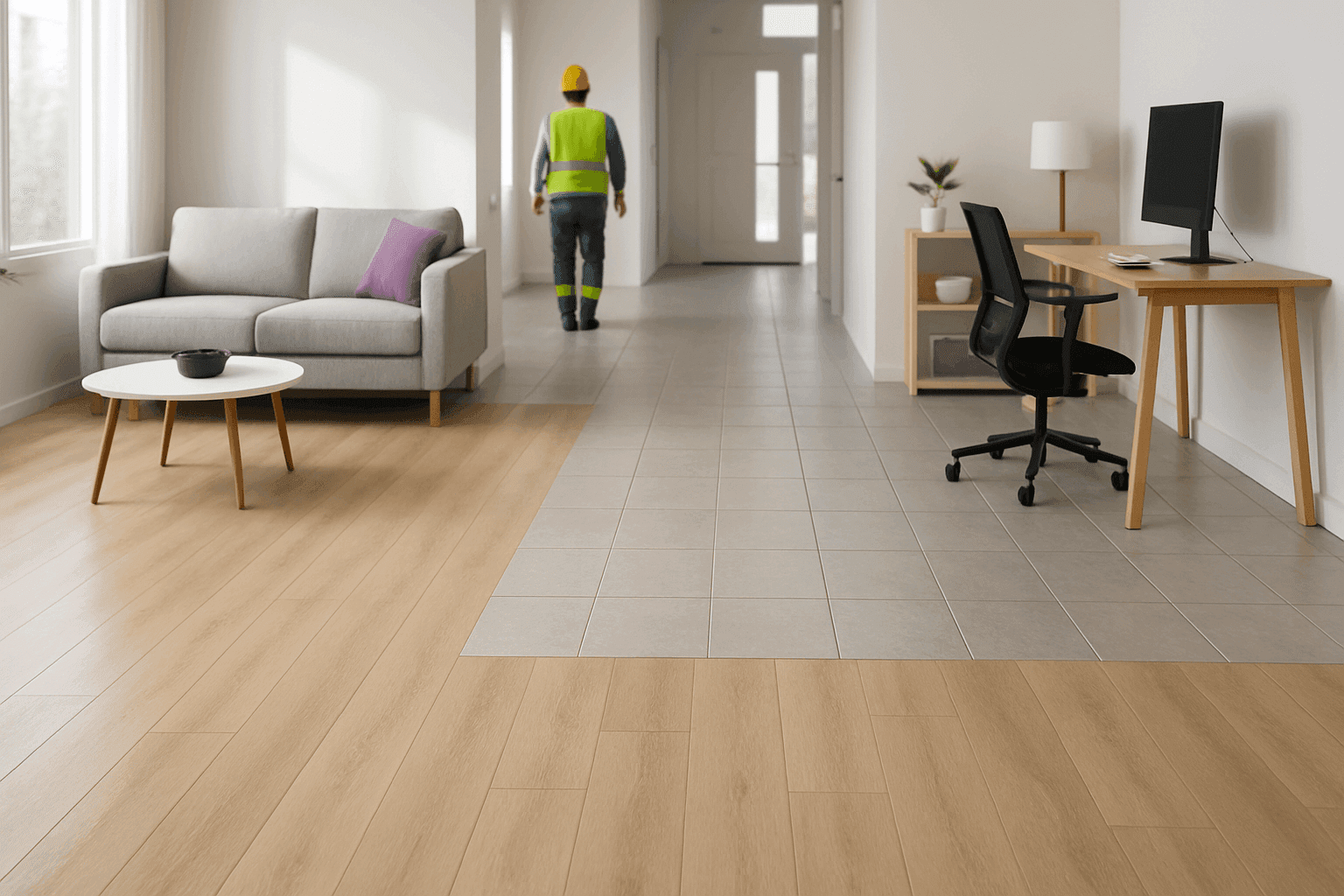
If you don’t have time to mop every spill or worry about muddy footprints, you’re not alone. Life happens—kids drop snacks, dogs track in dirt, and commercial spaces see endless footsteps. Your floors shouldn’t make your day harder. At SunCoast Flooring Solutions, we’ve helped families, businesses, and property managers find floors that handle the chaos and still look sharp.
Let’s break down the ten best low-maintenance flooring options for busy homes and businesses. We’ll show you the real pros, the cons you need to know, and tips that come from years of hands-on installation. No hype, just honest answers.
Why Choose Low-Maintenance Flooring? 🧹
Time is precious—so why spend it on endless cleaning? Low-maintenance flooring is about more than just saving chores. It’s about peace of mind. It’s knowing your floors won’t stain after one glass of juice or look worn after a busy week at the office.
Families with kids and pets need floors that shrug off spills and scratches. Business owners want a surface that holds up under heavy traffic, looks professional, and doesn’t eat into the cleaning budget. For landlords and property managers, easy upkeep keeps tenants happy and costs down.
When you invest in low-maintenance flooring, you’re choosing more freedom—and fewer headaches.
Key Features to Look For – Durability, Stain Resistance, Cleaning Ease
Not all “easy” floors are created equal. Here’s what to watch for:
- Durability: Can it handle dropped pots, office chairs, or a dog’s nails?
- Stain Resistance: Will red wine or coffee leave a mark?
- Cleaning Ease: Does it need special cleaners, or will a broom and mop do?
- Moisture Tolerance: Essential for kitchens, bathrooms, basements.
- Scratch Resistance: Especially important for pets and high-traffic areas.
- Fade Resistance: Sunlight can dull some finishes over time.
Material choice matters, but so does quality. Cheap installation can make even the best floors fail early. Stick to products with solid manufacturer ratings (see National Wood Flooring Association, ASTM standards, and FloorScore certifications).
Flooring Types Ranked – Vinyl, LVP/LVT, Epoxy, Laminate, Tile, Bamboo, Concrete, and More
Let’s look at the top 10 low-maintenance flooring types, ranked by real-world performance.
1. Vinyl Flooring (Sheet & Standard)
Pros:
- Extremely low maintenance—just sweep and mop.
- Resists stains and water.
- Budget-friendly.
- Wide range of styles.
Cons:
- Can dent from heavy furniture.
- Not as eco-friendly; many are petroleum-based.
Best for: Kitchens, playrooms, rental units.
2. Luxury Vinyl Plank (LVP) & Luxury Vinyl Tile (LVT)
Pros:
- Mimics hardwood or stone, but easier to clean.
- Waterproof varieties available.
- Holds up well against pets and kids.
Cons:
- Can fade with prolonged sun exposure.
- Seams may lift if installed poorly.
Best for: Living rooms, entryways, offices.
3. Epoxy Flooring
Pros:
- Seamless and waterproof.
- Chemical and stain-resistant.
- Extremely durable—popular in garages and commercial spaces.
Cons:
- Can be slippery when wet without additives.
- Professional installation required.
Best for: Garages, warehouses, medical offices, basements.
4. Laminate Flooring
Pros:
- Resists scratches and fading.
- Needs only sweeping and damp mopping.
- Budget-friendly.
Cons:
- Not waterproof—standing water can cause swelling.
- Feels less “solid” than wood.
Best for: Bedrooms, hallways, small offices.
5. Tile Flooring (Porcelain/Ceramic)
Pros:
- Handles moisture, stains, and heat.
- Long lifespan when installed well.
- Huge style variety.
Cons:
- Grout needs periodic cleaning/sealing.
- Can crack if subfloor isn’t level.
Best for: Kitchens, bathrooms, entryways.
6. Bamboo Flooring
Pros:
- Naturally stain-resistant.
- Harder than some hardwoods.
- Eco-friendly when sourced responsibly.
Cons:
- Can scratch; not ideal for heavy pet traffic.
- Sensitive to moisture.
Best for: Bedrooms, living rooms.
7. Concrete Flooring
Pros:
- Nearly indestructible.
- Customizable with stains and coatings.
- Great for radiant floor heating.
Cons:
- Hard underfoot—consider mats/rugs.
- Needs resealing every few years.
Best for: Basements, commercial spaces, modern homes.
8. Hardwood (Engineered & Prefinished)
Pros:
- Prefinished varieties have tough factory coatings.
- Engineered wood resists warping.
Cons:
- Still needs some care—can scratch, dislikes water.
- Higher upfront cost.
Best for: Living rooms, retail spaces.
9. Cork Flooring
Pros:
- Naturally antimicrobial.
- Soft underfoot and insulates sound.
- Easy to sweep.
Cons:
- Can dent from heavy furniture.
- Needs sealing to resist spills.
Best for: Bedrooms, offices, playrooms.
10. Carpet Tile
Pros:
- Individual tiles are easy to replace.
- Absorbs sound.
- Many stain-resistant options.
Cons:
- Still needs regular vacuuming.
- Not suited for wet areas.
Best for: Offices, basements, home theaters.
Best Choices by Room – Kitchens, Offices, Entryways, Basements 🏠
Kitchens:
Go for waterproof vinyl, tile, or LVP. These handle spills, grease, and constant foot traffic.
Offices:
Laminate, LVP, or carpet tile. All resist stains from coffee and rolling chairs.
Entryways:
Porcelain tile, LVT, or sealed concrete. These shrug off mud, salt, and rain.
Basements:
Epoxy, concrete, or vinyl plank. They’re moisture-tolerant and resist mold.
Pet Areas/Family Rooms:
LVP, sealed bamboo, or tile. These resist scratches and clean up fast.
Maintenance Tips for Each Type
Vinyl & LVP/LVT:
Sweep often. Damp mop as needed. Use felt pads under furniture.
Epoxy:
Mop with mild soap. Rinse spills quickly. Inspect for chips or cracks.
Laminate:
Avoid soaking. Clean up spills right away. Use gentle cleaners—no waxes.
Tile:
Sweep, then mop. Scrub grout with baking soda or use a pH-neutral cleaner. Reseal grout annually.
Bamboo:
Sweep regularly. Wipe spills quickly. Use mats at entrances.
Concrete:
Dust mop. Reseal every 2–3 years. Spot clean stains.
Hardwood (Prefinished/Engineered):
Dry mop. Clean with wood-safe cleaner. Avoid steam mops.
Cork:
Wipe up spills. Use felt pads under heavy furniture. Reseal as needed.
Carpet Tile:
Vacuum weekly. Spot clean stains. Replace tiles as needed.
When to Replace Instead of Repair
Sometimes, patching a problem won’t cut it. Consider replacement if:
- Flooring has deep, widespread gouges or cracks.
- Water damage causes swelling, warping, or mold.
- Multiple tiles or planks are loose or lifting.
- Surface is permanently stained or discolored.
- Old materials contain asbestos (see EPA guidelines).
If a floor is beyond a simple fix, investing in a modern, low-maintenance option pays off in the long run.
Real-World Examples
- Family with two labs: Switched to LVP after hardwood scratched and stained—now, muddy paws wipe up in seconds.
- Downtown café: Installed epoxy floors; daily mop cleans up coffee spills, and the surface still looks new after two years.
- Apartment complex: Upgraded to carpet tiles in hallways—easy to swap out individual tiles when accidents happen.
FAQ
What’s the easiest flooring to keep clean?
Vinyl and LVP are top choices for easy cleaning. They handle spills and sweep up fast.
Can I install low-maintenance flooring over existing floors?
In many cases, yes—especially with LVP, laminate, and some tiles. But prep is crucial. Uneven or damaged subfloors need leveling first.
Is low-maintenance flooring safe for pets?
Absolutely. LVP, tile, and sealed bamboo resist scratches and stains from pets.
How do I know if my old floor needs replacing?
Look for warping, deep stains, or lingering odors. If repairs keep piling up, replacement is often the smarter move.
Local/Seasonal Considerations 🌧️
In humid or flood-prone areas, waterproof options like vinyl or epoxy are best. For regions with harsh winters, tile and concrete can get cold—consider radiant floor heating for comfort. Always follow local building codes and check for moisture barriers, especially in basements.
Your floor should work as hard as you do. Ready to upgrade to low-maintenance flooring that fits your life?
Call SunCoast Flooring Solutions now — or reach us anytime at 877-796-9197 .