Essential Floor Maintenance Tips to Extend Lifespan & Boost Appearance
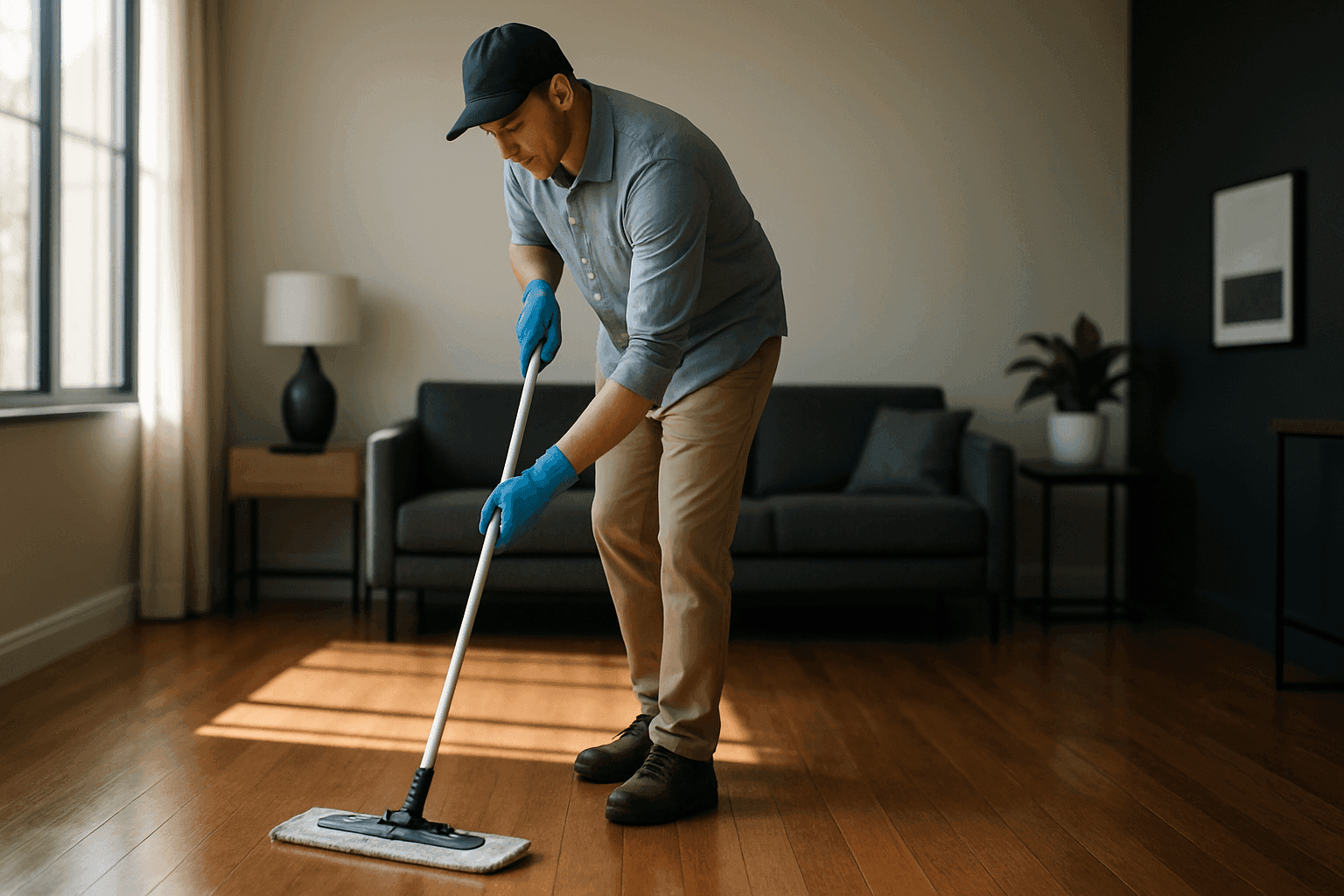
Walking into a home or business, the first thing you notice isn’t always the walls or the furniture. It’s the floor beneath your feet—shining, clean, and ready for anything life (or work) throws its way. But that beautiful surface doesn’t look after itself. Floors need regular care, and skipping routine maintenance can lead to costly repairs or replacements much sooner than you expect.
At SunCoast Flooring Solutions, we get it—life gets busy. But a little attention goes a long way. Whether you have hardwood, vinyl, tile, or another surface, these tips will help you keep your floors looking their best for years.
The Real Cost of Neglected Floors
Ignoring your floors is like skipping oil changes in your car. Problems start small: a dull spot here, a sticky patch there. But over time, dirt, grit, and spills act like sandpaper, grinding away the finish and inviting deeper damage. The result? Warping, staining, cracking, or squeaking that’s tough—or impossible—to fix without professional help.
Regular maintenance isn’t just about appearances. It’s a smart investment that can extend the lifespan of your flooring by years, saving you big money and headaches down the line.
Quick Safety Checklist 🛑
Before you grab your mop or vacuum, take a moment to check these safety essentials:
- Is your floor dry? Wet floors can cause slips and falls.
- Are cleaning products safe for your specific flooring type?
- Avoid mixing chemicals, especially with bleach or ammonia.
- Open windows or turn on fans for ventilation when using strong cleaners.
- Keep pets and children away until floors are dry.
Reference: Always follow manufacturer instructions and consult the U.S. Consumer Product Safety Commission for updates on cleaning chemical safety.
Cleaning Best Practices by Flooring Material
Every floor type has its own personality. Treating them all the same can lead to disappointment—or even damage.
Hardwood Flooring
- Sweep daily with a soft-bristle broom or microfiber dust mop.
- Vacuum weekly, using a floor-brush attachment (no beater bars).
- Damp mop monthly with a pH-neutral wood cleaner. Avoid standing water—think of wood as a sponge, not a shield.
- Refinish every few years, or as recommended by your installer.
Troubleshooting:
Notice gaps or cupping? This could signal moisture issues. Small scratches can be touched up with a matching marker or crayon, but deep gouges need a pro.
Vinyl Flooring (including LVP/LVT)
- Sweep or vacuum daily to remove grit.
- Mop weekly with warm water and a gentle vinyl floor cleaner.
- Avoid wax or abrasive pads—these can dull the finish.
- Wipe spills fast; vinyl resists water but staining agents can seep in if left.
Troubleshooting:
Peeling edges or bubbles point to moisture or installation issues. For best results, call a specialist for repairs.
Tile Flooring
- Sweep or vacuum to clear debris.
- Mop with a mild detergent—avoid acid or bleach on grout.
- Seal grout lines annually to prevent staining.
- Dry floors after mopping to prevent slips and water spots.
Troubleshooting:
Cracked tiles or missing grout? These need quick attention to prevent water from seeping below.
Laminate, Bamboo, and Cork Flooring
- Dry dust daily.
- Use a damp (not wet) mop; excess water causes swelling or warping.
- Check for manufacturer-approved cleaners—no oil soaps or steam mops.
Troubleshooting:
Warped planks usually mean moisture problems. Address leaks quickly and consult a pro for repairs.
How to Handle Spills and Stains
Spills happen—coffee, juice, muddy footprints, you name it. The key is quick action:
- Blot, don’t rub. Rubbing spreads the mess and can damage the surface.
- Start with water. For most surfaces, a damp cloth is safest.
- Use appropriate cleaners. Always match the cleaner to your flooring material.
- Remove residue. Sticky spots attract dirt and dull the finish.
Pro tip: For tough stains on carpet, a baking soda paste can lift many marks. For stubborn vinyl stains, try a small amount of rubbing alcohol (spot test first).
Protecting Floors During Holidays & Storms 🎉
Extra foot traffic during parties, or wet shoes during storms, can take a toll. Here’s what helps:
- Use doormats at every entrance.
- Ask guests to remove shoes—especially high heels or cleats.
- Lay down area rugs in high-traffic zones.
- Move furniture carefully; use felt pads or sliders.
- Wipe up moisture immediately after rain or snow.
During holiday decorating, avoid dragging trees or heavy boxes across the floor. For outdoor and deck flooring, check for pooling water or ice buildup—these can lead to slips or surface damage.
DIY or Call a Professional?
Some floor care tasks are perfect for a Saturday morning. Others really need a trained hand.
When DIY Works
- Routine sweeping, mopping, and spot cleaning.
- Polishing or minor scratch repair with approved kits.
- Replacing felt pads on furniture.
When to Call SunCoast Flooring Solutions
- Deep stains, burns, or gouges in wood or vinyl.
- Subfloor or moisture barrier repairs.
- Floor leveling, sanding, or refinishing (requires specialized tools).
- Large-area grout cleaning and sealing.
- Floor inspections for warranty or property sales.
If you’re unsure, remember: tackling a tricky repair with the wrong tools can void warranties or cause bigger issues.
What Pros Do On Arrival
When our team steps in, you can expect:
- Thorough inspection of the floor and subfloor.
- Moisture testing to pinpoint hidden problems.
- Surface prep using commercial-grade equipment.
- Targeted repair or refinishing with manufacturer-approved materials.
- Cleanup and aftercare tips, so your floor stays healthy.
We follow industry standards from groups like the National Wood Flooring Association (NWFA) and ASTM International for best practices.
Prevention & Maintenance: Keeping Floors Beautiful All Year
A little regular care keeps floors in top shape, no matter the season.
- Sweep and mop regularly, adjusting frequency for high-traffic zones.
- Protect from sunlight with curtains or blinds (prevents fading).
- Maintain indoor humidity between 35–55% for wood and bamboo.
- Rotate rugs and furniture to even out wear.
- Schedule professional maintenance every 12–24 months (especially for hardwood, epoxy, and commercial spaces).
For specialty floors—like those with radiant heating or moisture barriers—always follow the manufacturer’s care guidelines. Save documentation for warranty protection.
Costs & Time Factors
How much time and money should you set aside for floor care? Here’s a general guide:
- Daily/weekly cleaning: 10–30 minutes, minimal supplies.
- Seasonal deep cleaning: 1–4 hours, depending on space and material.
- Professional services: Varies by job (sanding/refinishing can take 1–3 days, grout restoration a few hours).
Remember, costs run higher for neglected floors or emergency repairs.
When It’s an Emergency
Some flooring problems need fast action. Don’t wait if you see:
- Standing water on wood, laminate, or basement floors.
- Buckling, warping, or sudden soft spots.
- Mold or mildew developing on or under flooring.
- Strong, persistent odors (especially after flooding or leaks).
Quick intervention can prevent extensive damage—not to mention health risks.
Frequently Asked Questions
How often should I refinish hardwood floors?
Most floors benefit from refinishing every 5–10 years, but high-traffic areas or commercial spaces may need it sooner.
Can I use a steam mop on vinyl or laminate?
No—excess moisture can seep into seams and cause swelling or peeling. Stick to damp (not wet) cleaning methods.
What’s the best way to remove pet odors from carpet or area rugs?
Use an enzymatic cleaner designed for pet messes. For deep odors, professional cleaning may be necessary.
Do I need to reseal grout on tile floors?
Yes—resealing annually keeps grout waterproof and stain-resistant.
Local & Seasonal Considerations 🏝️
Climate and seasons change how your floors behave. In humid areas, hardwood and bamboo can swell—while dry winters may cause gaps. Entryways need extra protection during rainy seasons. Outdoor and garage flooring face unique challenges from sun, salt, or ice.
If you’re in a flood-prone region, invest in moisture barriers and schedule regular floor inspections. For concrete and epoxy garage floors, annual resealing helps prevent cracking and staining.
The Bottom Line
Your floors anchor your home or business. With just a bit of regular care—and the right know-how—you can keep them looking fresh and inviting for years. When in doubt, reach out for professional help to avoid accidental damage or voiding your warranty.
Call SunCoast Flooring Solutions now — or reach us anytime at 877-796-9197 .