Epoxy Garage Flooring: Cost, Benefits, and DIY vs. Pro Installation
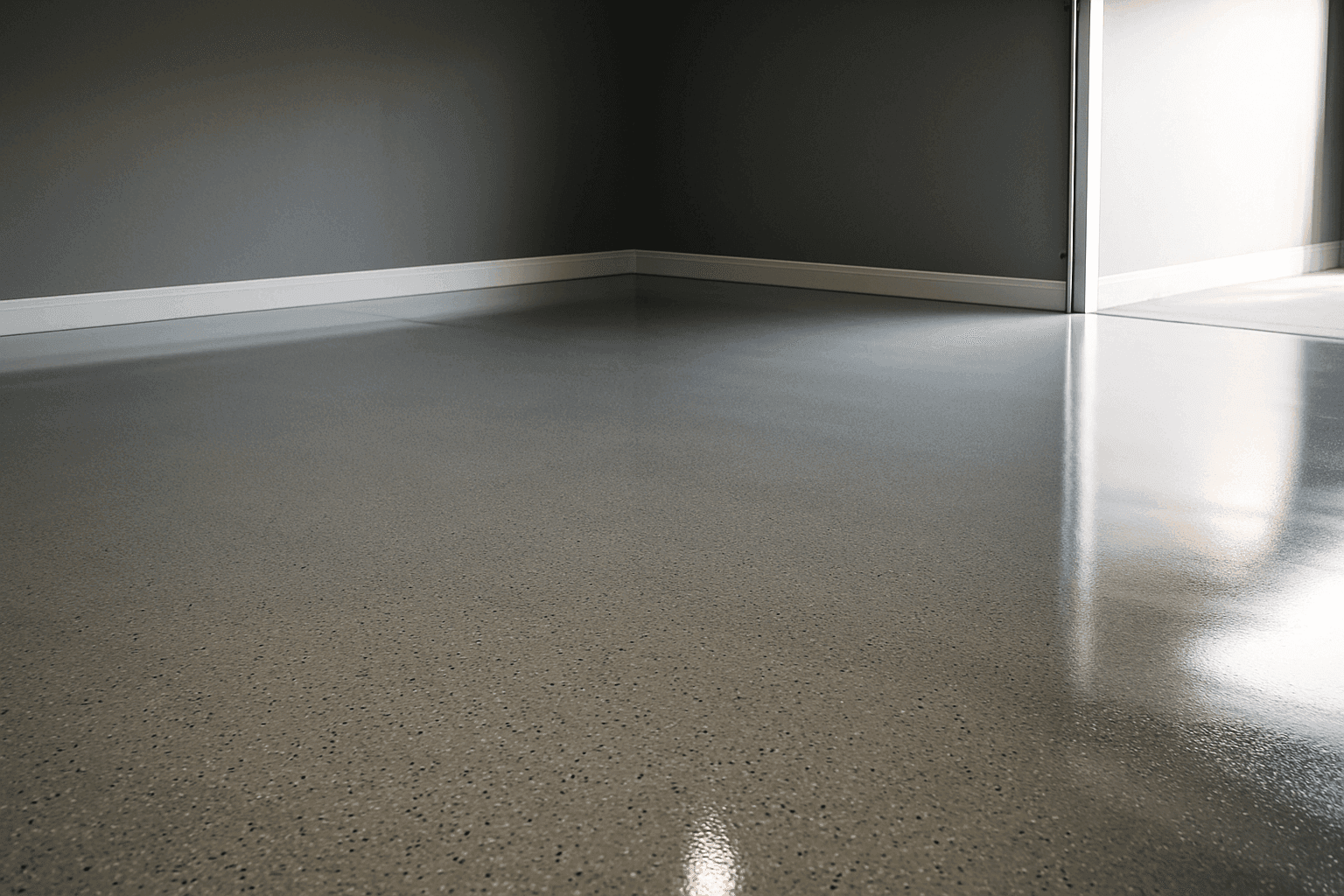
Is your garage floor more battlefield than workspace? Cracks, stains, and that endless dust just keep coming. You deserve a surface that stands up to real life—a floor that shrugs off oil drips, muddy boots, and heavy tools alike.
Here at SunCoast Flooring Solutions, we know the difference a quality garage floor can make. Epoxy flooring is a top choice for homeowners and business owners tired of settling for less. But what does it really cost? Is it worth doing yourself, or is professional installation the smarter move? Let’s break down what you need to know.
The Challenge: Why Garage Floors Fail
Concrete garage floors take a beating. Over time, moisture creeps in, freeze-thaw cycles cause cracks, and chemical stains become permanent eyesores. Standard paint or basic sealers rarely hold up. That’s why more people are turning to epoxy flooring—a tough, seamless coating that locks out trouble.
But not all epoxy jobs are created equal. Poor prep, cheap products, or skipped steps can mean wasted time and money. The stakes are higher than they seem.
Quick Safety Checklist: Before You Start 🛑
- Ventilation is essential. Epoxy fumes can be strong. Always work with open doors and fans, or better yet, leave it to the pros.
- Personal protective equipment: Gloves, eye protection, and a quality respirator (NIOSH-approved) are a must.
- Prep the surface: Remove oil, dust, and moisture. Imperfect prep is the #1 reason coatings fail.
- Check weather and temperature: Most epoxies require 50–90°F and low humidity for proper curing.
- Know your products: Only use coatings rated for garage or high-traffic use.
For reference, the Occupational Safety and Health Administration (OSHA) and the Environmental Protection Agency (EPA) both offer guidelines on safe chemical handling and indoor air quality.
DIY vs. Pro Installation: Which Is Right For You?
Thinking about tackling your garage floor yourself? Here’s what to weigh.
When DIY Makes Sense
- You’re handy and comfortable following detailed instructions.
- You have several days to dedicate—prep, application, and curing all take time.
- Your garage floor is in good condition (minimal cracks, no moisture issues).
- You’re okay with a finish that might not be showroom-perfect.
When to Call a Pro
- Floor has cracks, pits, or moisture problems.
- You need rapid turnaround (most pros finish in 1–2 days).
- You want a high-gloss, even, and long-lasting finish.
- You’re dealing with a large or commercial space.
Remember: Professional installers, like SunCoast Flooring Solutions, follow industry standards from organizations such as the National Floor Safety Institute (NFSI) and Resin Flooring Association (FeRFA). This means fewer headaches and a floor that’s built to last.
What Pros Do On Arrival
When a professional team arrives, it’s not just about rolling on a coat of paint. Here’s what sets a pro job apart:
- Thorough inspection: We check for cracks, moisture, and underlying issues.
- Mechanical surface prep: Using diamond grinders or shot blasters to open up the concrete for strong adhesion.
- Moisture barrier installation: If needed, to stop water vapor from wrecking your new floor.
- Precision mixing: Epoxy components must be measured and mixed exactly.
- Multiple coats: Primer, color, and clear topcoats for durability and shine.
- Slip-resistant options: Textured additives can be broadcast for added safety.
Industry references like the American Concrete Institute’s guidelines recommend these steps for lasting performance.
Prevention & Maintenance: Keeping Your Floor Looking Sharp
An epoxy garage floor isn’t “set it and forget it.” Here’s how to make it last:
- Sweep or vacuum regularly. Grit and sand can scratch the surface.
- Wipe up spills quickly. Epoxy is chemical resistant, but standing fluids can dull the finish.
- Mop with a mild cleaner. Skip harsh acids or abrasive scrubbers.
- Check for chips annually. Touch up as needed to keep moisture out.
With just a little care, an epoxy floor can look new for years—even in busy garages.
Costs & Time Factors: What to Expect
Pricing is like a puzzle—many pieces shape the total.
What Goes Into the Cost?
- Materials: Genuine industrial-grade epoxy runs more than “big box” kits. Expect higher prices for metallics or decorative flakes.
- Prep work: Repairs, leveling, and moisture barriers add to the total.
- Labor: Professional labor ensures correct application and fast turnaround.
- Square footage: Larger spaces often mean lower per-square-foot rates.
- Climate and access: High humidity or hard-to-reach garages can bump up costs.
Ballpark ranges:
For DIY, expect to spend less per square foot—but plan for extra supplies, tools, and your own time. Professional installations typically range higher, but include prep, application, and warranty on workmanship.
Time Investment
- DIY: Plan for 3–5 days including prep and cure times.
- Pro: Most jobs wrap up in 1–2 days, with minimal downtime.
When It’s an Emergency
Sometimes your garage floor isn’t just ugly—it’s a hazard. Deep cracks, heaving, or moisture issues can threaten the structure. If you spot any of these:
- Large cracks or shifting slabs
- Persistent dampness or white powder (efflorescence)
- Unusual odors (could signal mold below the slab)
It’s time to consult a professional immediately. Fast action prevents bigger repairs later.
FAQ: Epoxy Garage Flooring
How slippery is epoxy flooring?
Epoxy on its own can be slick, especially when wet. Professionals add slip-resistant materials like quartz or aluminum oxide grit to the final coat for extra grip.
How long does epoxy take to cure?
You can usually walk on it after 24 hours, but heavy vehicles shouldn’t park for 5–7 days. Full chemical cure can take up to a month.
Does epoxy flooring hold up in freezing or humid climates?
Yes, when installed correctly. Moisture barriers and proper prep are key in humid regions. In cold climates, epoxy resists freeze-thaw cycles better than bare concrete.
How does epoxy compare to other garage flooring options?
Epoxy beats floor paint for durability, is more seamless than interlocking tiles, and offers better stain resistance than bare concrete or basic sealers.
Local/Seasonal Considerations 🌤️
Epoxy flooring isn’t one-size-fits-all. Climate and local conditions matter:
- Humid areas: Moisture testing and barriers are crucial.
- Cold winters: Select epoxies rated for freeze-thaw resistance.
- Outdoor garages: Ask about UV-stable topcoats for sunlight exposure.
- Coastal locations: Salt and sand can wear down coatings faster; regular maintenance is key.
A reputable installer will assess your needs and recommend the right system for your region.
Ready to transform your garage into a clean, resilient space?
Call SunCoast Flooring Solutions now — or reach us anytime at 877-796-9197 .