Emergency Floor Repair: What to Do After Water, Storm, or Freeze Damage
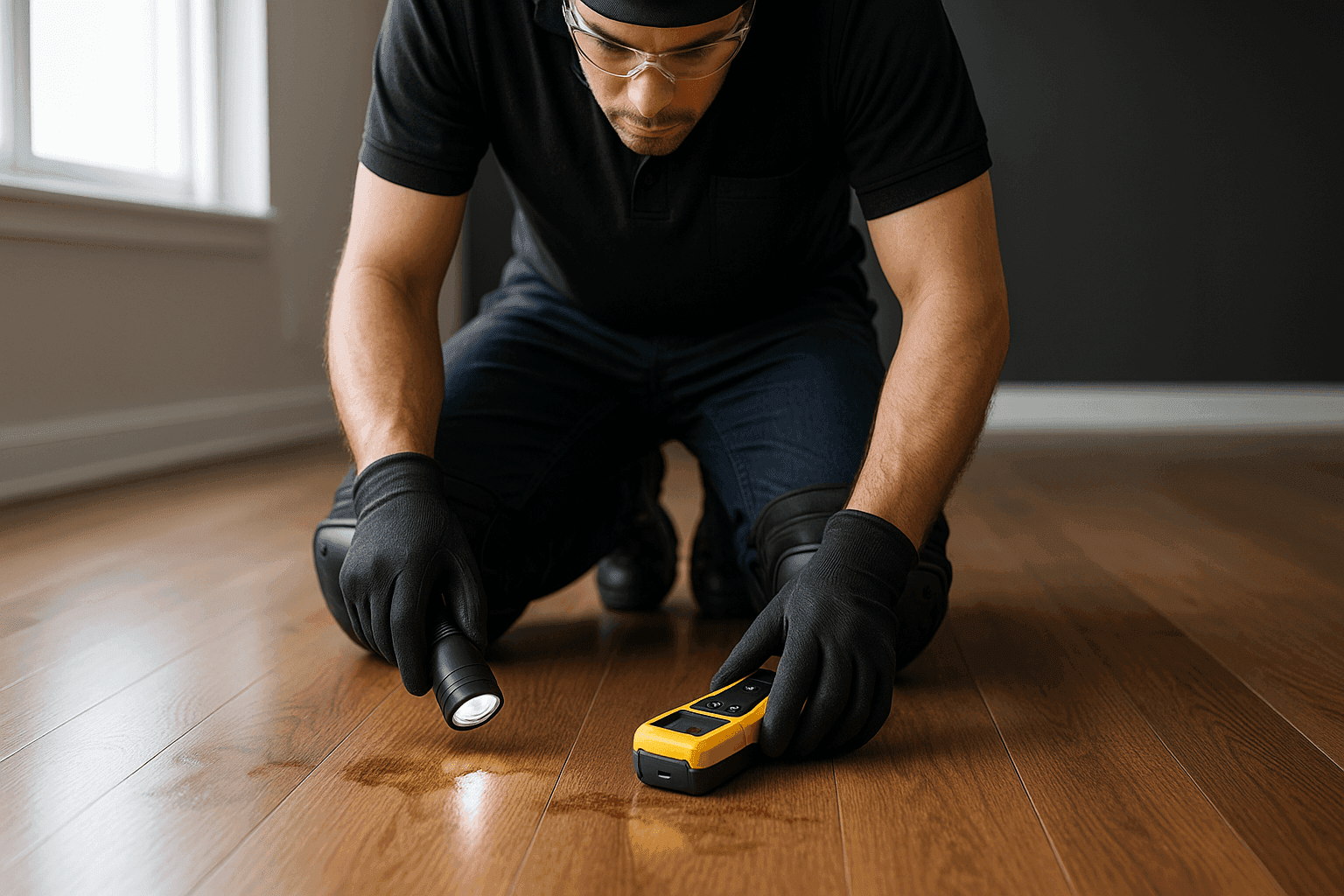
Sometimes, disaster strikes when you least expect it. A burst pipe at midnight. A storm blowing open the basement door. The snap of a sudden freeze. No one’s ever truly ready for flooring emergencies, but quick thinking and the right steps can save your home or business from far greater headaches.
At SunCoast Flooring Solutions, we’ve seen it all: warped hardwood, soggy carpets, buckled vinyl, and much more. We’re here to share what really matters when every minute counts—so you can act fast, stay safe, and keep your investment protected.
Immediate Steps to Take After Floor Damage 🚨
When flooring gets hit by water, storm debris, or freezing temps, every second matters. Here’s what to do right away:
- Stay Safe: If there’s standing water, turn off electricity in affected areas. Don’t risk shock.
- Stop the Source: Shut off water valves or secure doors and windows to stop more water or debris coming in.
- Move Valuables: Remove rugs, furniture, and electronics from the area if safe to do so.
- Ventilate: Open windows and use fans to start drying, only if the weather allows and it’s safe.
- Document Everything: Take clear photos of the damage from multiple angles. These will help with insurance and repairs.
- Call for Help: If the damage is extensive or you’re unsure about safety, contact a floor repair professional immediately.
The first steps are all about limiting the damage. Don’t wait—every hour counts.
Types of Floor Damage – Water, Storm Debris, Freezing
Flooring damage can take many forms, and each needs a different approach:
Water Damage
Water is sneaky. It seeps under floors, into subfloors, and behind baseboards. Wood can warp or cup, laminate may swell, and carpets quickly become breeding grounds for mold. Vinyl Flooring and Luxury Vinyl Plank (LVP) can trap water underneath, leading to hidden problems.
Storm Debris
Wind-driven rain and flying branches can batter entryways and floors. Mud, grit, and sharp debris scratch finishes and can make surfaces dangerously slippery. Outdoor and deck flooring often suffer the most.
Freeze Damage
When water freezes, it expands. That means subfloor cracks, tile popping, and grout lines splitting. Basements, garages, and poorly insulated spaces are especially at risk during sudden cold snaps.
Understanding the type of damage is the first step to choosing the right fix.
When to Attempt DIY vs. Call a Pro
Sometimes, a mop and a shop-vac are all you need. Other times, jumping in yourself could make things worse.
When DIY Is Safe
- Small spills on hard surfaces if you catch them fast.
- Minor scratches or surface stains.
- Removing rugs or furniture from affected areas.
When to Call a Pro
- Water has soaked into wood, carpet, or subflooring.
- You see buckling, warping, or bubbling floors.
- Mold or mildew is visible—or there’s a musty smell.
- Storm debris has gouged or punctured flooring.
- Freezing has caused tiles or boards to crack or lift.
- You’re not sure what’s beneath the surface.
Pros have the tools—industrial dryers, moisture meters, and safety equipment—to do the job right. And with complex floors (like radiant heat, concrete coatings, or soundproofing layers), mistakes can get expensive fast.
Preventing Mold and Structural Issues 🦠
Mold is relentless. According to the Institute of Inspection, Cleaning and Restoration Certification (IICRC), mold can start growing in as little as 24–48 hours when floors stay damp.
What You Can Do
- Dry Fast: Use fans and dehumidifiers. If you can lift the floor covering, do it.
- Remove Soaked Materials: Carpets, pads, and insulation beneath floors often can’t be saved. Get them out to let the subfloor dry.
- Check for Hidden Moisture: Moisture can linger under vinyl, tile, and behind wood trim. A pro can check with a moisture meter.
- Disinfect: Clean hard surfaces with a solution approved by the Environmental Protection Agency (EPA) to kill bacteria and mold spores.
- Don’t Ignore Odors: A persistent musty smell means moisture is trapped somewhere.
Leaving water behind is like leaving the door open for future trouble—weakening joists, crumbling subfloors, or warped boards.
Documenting Damage for Insurance 📸
Insurance claims are only as strong as your documentation. Here’s how to cover your bases:
- Take Photos and Video: Before you clean or move anything, document all visible damage. Snap wide shots and close-ups.
- List Damaged Items: Make a written list of all affected flooring, furniture, and personal items.
- Save Receipts: Keep invoices for any emergency repairs, drying equipment, or professional services.
- Note Dates and Times: Record when the damage occurred and when you discovered it.
- Get Professional Assessments: If you call in flooring experts, ask for a written inspection report.
This paperwork is your best defense if questions come up later with your insurance adjuster.
Choosing Repair vs. Replacement
Should you patch the problem or start fresh? It depends on:
When Repair Makes Sense
- Damage is localized (one room or area).
- The subfloor is dry and undamaged.
- The flooring type allows for seamless patches (like tile or LVP).
- Material is still available for matching.
When Replacement Is Necessary
- Water has soaked through to subfloors or framing.
- Mold is widespread or recurring.
- The entire floor is warped, buckled, or delaminated.
- Flooring is out of production or can’t be matched.
A professional inspection can often reveal hidden issues—and help you decide if you can save your existing floors, or if it’s time to invest in something new.
Skimmable Quick Safety Checklist
- Don’t step in standing water with electrical sources nearby.
- Check for structural damage before entering basements or garages.
- Wear gloves and boots to avoid sharp debris or bacteria.
- Don’t use regular household fans for large water losses—these can blow mold spores around.
- Call emergency services if you suspect a gas leak or contaminated water.
What Flooring Pros Do On Arrival
When SunCoast Flooring Solutions arrives, here’s what you can expect:
- Safety Assessment: Checking for electrical hazards, structural risks, and air quality concerns.
- Moisture Mapping: Using specialized meters to find hidden dampness in subfloors, walls, or behind finishes.
- Damage Removal: Carefully removing damaged flooring, cleaning out debris, and starting industrial drying.
- Sanitization: Applying EPA-approved disinfectants to kill bacteria and mold.
- Repair Plan: Recommending targeted repairs or, if needed, a replacement strategy for your flooring type.
- Documentation: Providing a professional assessment for your insurance claim.
This process follows restoration protocols recommended by the IICRC and the National Wood Flooring Association (NWFA).
Prevention & Maintenance
You can’t control the weather, but you can reduce your risk:
- Install Moisture Barriers: Especially in basements, garages, and ground-level spaces.
- Upgrade to Water-Resistant Flooring: Vinyl Flooring, Luxury Vinyl Tile (LVT), and certain laminates fare better in wet environments.
- Seal Gaps: Weatherstrip doors and windows, and seal expansion joints.
- Maintain Gutters and Drains: Keep water away from your foundation.
- Winterize Pipes and Crawlspaces: Insulate exposed plumbing and seal drafts to prevent freezing.
- Schedule Regular Inspections: A yearly checkup can catch small problems before they turn into emergencies.
Costs & Time Factors
Emergency repairs aren’t all created equal. Here’s what affects price and timeline:
- Type of Flooring: Hardwood, tile, and specialty floors (like radiant heat) often cost more to repair than carpet or vinyl.
- Extent of Damage: The bigger the area and the deeper the water intrusion, the longer and pricier the fix.
- Drying Time: Complete drying can take several days, especially for subfloors.
- Material Availability: If your floor is discontinued, matching it may be impossible.
- Insurance Involvement: Waiting for adjusters can delay repairs.
Plan for a few days to several weeks, depending on the complexity.
When It’s an Emergency
Some situations call for immediate, professional help:
- Water keeps coming in and can’t be stopped.
- There’s visible sagging, cracking, or warping in subfloors.
- Mold is visible—or you smell strong, musty odors.
- Electrical outlets or appliances are wet.
- There’s risk of slipping, falling, or further injury.
When in doubt, err on the side of caution and call a professional.
Frequently Asked Questions
How soon should I dry my floor after water damage?
Immediately—ideally within the first 24 hours. The longer water sits, the higher the risk for permanent damage and mold growth.
Can I save my hardwood floors after a flood?
Sometimes, if you act quickly. Professional drying and sanding can rescue slightly warped boards, but long-soaked floors often need replacement.
What if I just see minor bubbling in my vinyl or laminate?
Bubbling means moisture is trapped underneath. Left alone, this can spread or lead to mold. Have a pro assess it—sometimes quick repairs can save the floor.
Will insurance cover my floor repairs?
Policies vary. Most cover sudden events like burst pipes or storms, but not gradual leaks. Proper documentation is crucial to get your claim approved.
Local and Seasonal Considerations 🌧️
Every region has its own risks:
- Coastal Areas: Watch for saltwater intrusion and hurricane-driven rain.
- Cold Climates: Prepare for freeze-thaw cycles and ice damming.
- Humid Regions: Mold grows fast, so act even faster.
- Urban Locations: Storm drains can back up, causing basement floods.
Know your area’s seasonal risk factors and schedule regular flooring inspections—especially if you’ve had trouble before.
Flooring emergencies can be overwhelming, but you don’t have to face them alone. Whether you need Vinyl Flooring near you, moisture barrier installation, or full restoration, our team is here to help—day or night.
Call SunCoast Flooring Solutions now — or reach us anytime at 877-796-9197 .