Eco-Friendly Flooring Options: Sustainable Choices for Homes & Businesses
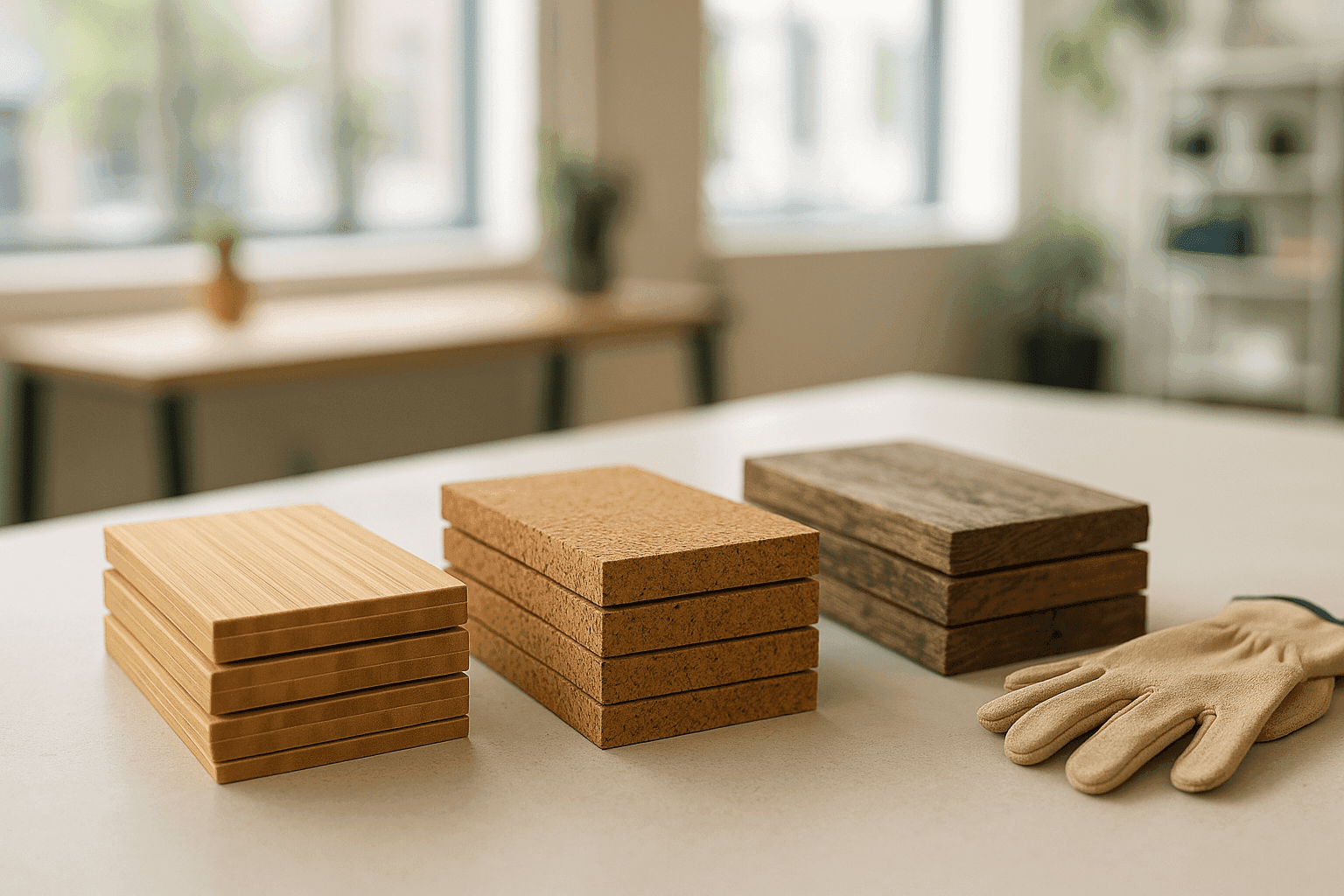
Are you torn between style, budget, and responsibility to the planet? You’re not alone. More families and businesses want floors that tread lightly on the earth—without sacrificing durability or beauty.
At SunCoast Flooring Solutions, we’ve seen the shift firsthand. The good news: Today’s eco-friendly flooring goes far beyond just “going green.” It’s about lasting value, healthier indoor air, and feeling good every time you walk across the room.
Why Eco-Friendly Flooring Matters
Flooring is the foundation of your space—literally and figuratively. But traditional choices can leave a heavy footprint. Think about it: some floors off-gas chemicals, others use rare trees or plastics that outlive us all. It’s like planting a garden, then pouring concrete over it.
Eco-friendly flooring changes that story. These options use renewable resources, recycled content, or safer finishes, helping everyone breathe easier—inside and out. For homes, for businesses, for the future.
Comparing Eco-Friendly Flooring Materials 🪴
Let’s break down the most popular sustainable flooring options. Each has a different origin, personality, and care routine. Here’s what to consider:
Bamboo Flooring
- Renewability: Bamboo grows lightning-fast—up to 3 feet a day—and harvests every 5–7 years.
- Durability: Comparable to oak when properly manufactured.
- Maintenance: Sweep, mop with a damp cloth, avoid puddles.
- Look & Feel: Sleek, modern, or rustic depending on finish.
Cork Flooring
- Renewability: Harvested from tree bark every 9 years—trees stay standing.
- Durability: Soft underfoot, springs back, resists mold.
- Maintenance: Sweep, occasional damp mop, reseal every few years.
- Look & Feel: Warm, textured, naturally quiet.
Recycled Hardwood
- Renewability: Salvaged from old buildings, barns, or factories.
- Durability: Often harder than new wood due to age.
- Maintenance: Same as traditional wood—refinish as needed.
- Look & Feel: Unique character, knots, and history in every plank.
Low-VOC Vinyl & Laminate
- Renewability: Manufactured, but choose those with recycled content.
- Durability: Highly scratch- and water-resistant.
- Maintenance: Simple sweeping and mopping.
- Look & Feel: Mimics wood, tile, and stone—great for high-traffic zones.
Eco-Friendly Tile (Recycled Glass, Porcelain)
- Renewability: Made from recycled glass bottles or post-consumer porcelain.
- Durability: Long-lasting, non-porous.
- Maintenance: Easy to clean, grout needs occasional sealing.
- Look & Feel: Colorful, modern, or classic.
Certifications to Look For: Separating Genuine from “Greenwashed” Claims
Green labels are everywhere. But not all are worth their salt. Like a wolf in sheep’s clothing, some products only look eco-conscious. Here’s how to spot the real deal:
Watch for These Third-Party Certifications
- FSC (Forest Stewardship Council): Assures wood is responsibly sourced.
- FloorScore: Tests for low VOC emissions (indoor air quality).
- GREENGUARD: Certifies products with low chemical emissions.
- Cradle to Cradle: Evaluates lifecycle, from sourcing to recycling.
Tips to Avoid Greenwashing
- Check for transparency: Reliable brands disclose supply chains and chemicals.
- Ask about adhesives and finishes: Even “eco” floors can use toxic glues. Look for water-based or no added formaldehyde.
- Request documentation: Reputable installers should provide certificates on request.
Residential vs. Commercial Applications
Eco-friendly flooring isn’t one-size-fits-all. A bustling café needs different floors than a quiet home office.
For Homes
- Comfort: Cork and bamboo cushion feet, absorb sound, and stay warm.
- Health: Low-VOC materials and natural fibers reduce asthma and allergy triggers.
- Style: From farmhouse to ultra-modern, there’s a green floor for every look.
For Businesses
- Traffic: Recycled hardwood and commercial-grade LVP/LVT handle heavy use.
- Safety: Many eco options meet slip-resistance and fire codes (check with the National Fire Protection Association and local authorities).
- Cleaning: Non-porous tiles and sealed floors simplify maintenance.
Health Benefits: Breathe Easier Every Day 🌱
Eco-friendly floors don’t just help the planet—they help you.
- Improved Indoor Air Quality (IAQ): Low-VOC and formaldehyde-free materials mean fewer harmful fumes.
- Allergen Reduction: Hard, non-porous surfaces don’t trap dust or dander like carpets do.
- Mold & Mildew Resistance: Cork, bamboo, and sealed tile don’t harbor moisture.
The U.S. Environmental Protection Agency (EPA) and American Lung Association both highlight the importance of choosing low-emission flooring for healthy homes and workplaces.
Maintenance and Care: Green Floors, Long Life
Eco-friendly doesn’t mean high-maintenance. In fact, most sustainable floors are easy to care for.
- Sweep regularly to keep grit from scratching.
- Use pH-neutral cleaners—harsh chemicals can harm both floor and environment.
- Wipe spills quickly. Standing water is any floor’s enemy.
- Refinish, don’t replace when possible. Many wood and bamboo floors can be sanded and resealed.
Practical Installation Advice
A green floor is only as good as its installation. Here’s what to keep in mind:
- Moisture barriers are essential for bamboo, cork, and hardwood—especially at or below grade.
- Soundproofing underlays can be sustainable too; look for recycled felt or rubber.
- Radiant floor heating pairs well with tile, bamboo, and some LVP/LVT for cozy, efficient warmth.
- Floor leveling ensures longevity and prevents gaps.
Always consult local building codes and the manufacturer’s installation guidelines.
Commercial vs. Residential: Making the Right Choice
- Homes: Prioritize comfort, warmth, and healthy indoor air. Cork, bamboo, and reclaimed hardwood are favorites.
- Businesses: Think durability and easy cleaning. LVP, eco-friendly tile, and commercial cork stand up to crowds and spills.
- Multi-use spaces: Modular tiles and area rugs made from recycled content adapt to changing needs.
Cost and Time Factors: What to Expect 💡
Eco-friendly doesn’t always mean expensive—but costs vary.
- Bamboo and cork: Comparable to mid-range hardwood.
- Recycled hardwood: Can be pricier due to sourcing, but lasts for decades.
- LVP/LVT with eco-certifications: Budget-friendly, especially for large spaces.
- Tile: Recycled content may add a small premium.
Installation times are similar to traditional floors, but allow for acclimation—especially with wood, bamboo, or cork.
Frequently Asked Questions
Does eco-friendly flooring last as long as traditional options?
In most cases, yes. Products like bamboo, cork, and recycled hardwood are engineered for durability. Proper care is key.
Are “green” floors safe for kids and pets?
Absolutely—especially those with FloorScore or GREENGUARD certification. They’re made to minimize harmful emissions.
Can I install eco-friendly flooring in a basement or bathroom?
Many options work in basements or damp areas—look for waterproof LVP/LVT, tile, or properly sealed bamboo. Always use a moisture barrier.
How do I know if vinyl flooring near you is truly eco-friendly?
Ask for documentation, confirm certifications, and check the manufacturer’s site for transparency.
Local and Seasonal Considerations
Climate matters. In humid or flood-prone areas, choose floors that resist warping—sealed bamboo, tile, or LVP. For cold climates, radiant heating beneath eco-friendly floors adds comfort. Always acclimate natural materials to your space before installation.
Final Thoughts: Make Every Step Count
Choosing sustainable flooring is about more than what’s underfoot. It transforms how your family or customers experience your space—bringing comfort, beauty, and peace of mind.
If you’re weighing eco-friendly options or have questions about vinyl flooring near you, our team at SunCoast Flooring Solutions is here to help. We’ll walk you through the choices, installation, and maintenance, so you can step forward with confidence.
Call SunCoast Flooring Solutions now — or reach us anytime at 877-796-9197 .