Commercial Flooring: How to Choose Durable, Safe Solutions for Any Business
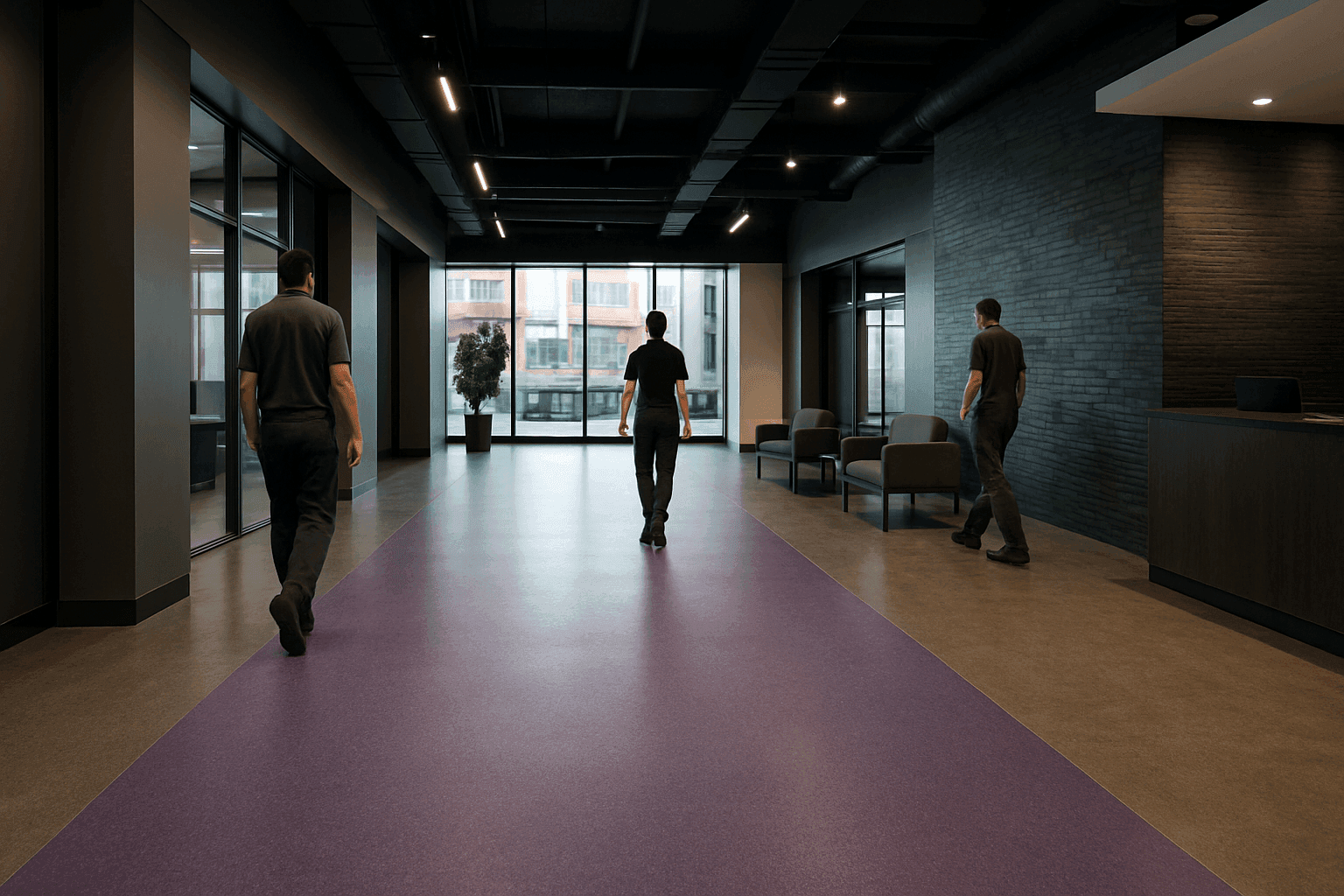
Every step your customers and staff take matters. The right commercial flooring isn’t just about looks—it’s your first line of defense against slips, spills, and the steady drumbeat of daily traffic. If you’re a business owner, facility manager, or property developer, you know: flooring is both a statement and an investment. The wrong choice can cost you in repairs, safety violations, and even reputation.
At SunCoast Flooring Solutions, we’ve seen what works—and what doesn’t. With decades spent helping businesses choose and install flooring, we understand your priorities: durability, safety, compliance, and style that matches your brand.
Unique Needs of Commercial Spaces – Foot Traffic, Regulations, Design 🏢
Not all floors are created equal. In a commercial setting, the floor works overtime. Consider these factors:
- Constant Foot Traffic: Entrances, corridors, and gathering areas see hundreds or thousands of feet every day. Think of your lobby like a riverbed—always under pressure, always moving.
- Regulatory Compliance: Local codes may require slip resistance, fire ratings, or specific soundproofing levels. For example, the Americans with Disabilities Act (ADA) sets standards for slip resistance in public spaces. OSHA also regulates flooring safety in workplaces.
- Design & Branding: Your flooring tells a story. Sleek concrete says “modern.” Warm woods welcome. Patterned carpet tiles can energize or calm. The choice impacts how people feel when they enter.
Imagine a busy restaurant: spills are common, so slip resistance is key. In a medical clinic, easy cleaning and infection control are priorities. A school or gym needs tough materials that shrug off abuse.
Key Flooring Types – LVT, Epoxy, Carpet Tiles, Concrete, Rubber, Bamboo
The market offers many flooring types, each with strengths for commercial settings. Here’s a quick breakdown:
- Luxury Vinyl Tile (LVT): Durable, water-resistant, and available in endless designs. LVT handles heavy foot traffic and is easy to clean. Searching “Vinyl Flooring near you”? LVT is often the go-to.
- Epoxy Flooring: Seamless, chemical-resistant, perfect for garages, warehouses, and healthcare. Its glossy finish is easy to sanitize.
- Carpet Tiles: Great for offices and hotels. Easy to replace one tile at a time when accidents happen. They help with sound absorption too.
- Concrete Flooring: Ultra-durable and can be stained or polished for a modern look. Needs sealing for stain resistance.
- Rubber Flooring: Soft underfoot, non-slip, and resilient. Ideal for gyms, schools, and play areas.
- Bamboo Flooring: Sustainable and tough. Brings a natural look to commercial spaces wanting eco-friendly options.
Each type can be combined with underlayments, coatings, or barriers for extra features—like soundproofing or moisture protection.
Safety Features – Slip Resistance, Acoustic Control, Fire Ratings ⚠️
Safety is never negotiable. Here’s what to look for:
- Slip Resistance: Flooring should meet ANSI/NFSI B101 or ASTM D2047 standards. Ask for slip-resistant finishes, especially in kitchens, bathrooms, and entryways.
- Acoustic Control: Sound travels fast in open spaces. Underlayment or carpet tiles reduce noise, making offices and hotels more comfortable.
- Fire Ratings: Flooring must meet local fire codes. Many commercial products are tested to ASTM E648 (critical radiant flux) or NFPA 253 standards for flame spread.
- Hygiene: Seamless surfaces like epoxy or LVT are easier to sanitize—vital in healthcare, food service, and childcare settings.
A real-world example: After a hotel upgraded to slip-resistant LVT in its lobby, guest slip incidents dropped sharply. Staff found cleaning faster, and the modern look boosted guest satisfaction.
Maintenance and Longevity
Your floor should work as hard as you do. Think marathon, not sprint.
- Routine Cleaning: Choose materials that handle daily mopping, vacuuming, or machine scrubbing.
- Stain & Impact Resistance: Look for factory-applied coatings or sealers. LVT and epoxy shine here.
- Easy Repairs: Carpet tiles and modular flooring allow for “spot fixes.” No need to replace the whole floor for a single stain.
- Life Cycle Costs: Upfront costs matter, but so does long-term value. Durable floors save you money on repairs, downtime, and cleaning supplies over years.
According to the Resilient Floor Covering Institute, LVT and similar products can last 10–20 years with proper care, far outpacing cheaper, less durable alternatives.
Aesthetics and Brand Image 🎨
First impressions last. Your floor is part of your brand’s handshake.
- Cohesive Design: Match flooring to your décor and colors. This builds trust and sets the mood—whether that’s energetic, calm, or cutting-edge.
- Custom Patterns: LVT, carpet tiles, and concrete can be customized for logos, patterns, or color zoning.
- Lighting Effects: Polished concrete or glossy epoxy can reflect light, making spaces feel larger and brighter.
A retail boutique we worked with chose bamboo floors for a warm, sustainable feel—echoing their eco-conscious brand. Customers noticed, and so did their reviews.
Professional Installation – Why It Matters
Even the best flooring falls short with poor installation. Here’s why partnering with seasoned professionals matters:
- Subfloor Prep: Proper leveling and moisture testing prevent costly failures. Moisture barriers are critical in basements or ground-level installations.
- Certified Installers: Look for installers with certifications from the International Certified Floorcovering Installers Association (CFI) or National Wood Flooring Association (NWFA).
- Code Compliance: Professionals know the latest building codes, ADA requirements, and fire ratings.
- Warranty Protection: Manufacturer warranties often require pro installation for validity.
- Efficient Scheduling: Minimize downtime for your business. Experienced teams get the job done right, quickly.
In one case study, a commercial kitchen’s floor began to bubble and crack because the installer skipped moisture testing. After a professional redo with proper prep and moisture barriers, the problems disappeared—and food safety inspections sailed through.
Compliance, Workplace Safety, and Maintenance Savings
Ignoring codes or safety standards isn’t just risky—it’s expensive. Fines, workers’ compensation claims, and downtime add up fast.
- The National Floor Safety Institute (NFSI) reports that slips and falls are a leading cause of workplace injuries. Choosing certified slip-resistant flooring reduces incidents.
- Compliance with local building codes and fire safety standards is mandatory. Check with your city’s building department or review guidelines from the National Fire Protection Association (NFPA).
- Investing in durable, easy-to-maintain flooring cuts cleaning costs over time. It also reduces the need for disruptive repairs, keeping your business running smoothly.
Practical Tips for Choosing Commercial Flooring
- Assess Traffic Patterns: Map out where foot traffic is highest.
- List Your Must-Haves: Safety, sound control, hygiene, design—rank what’s most important.
- Request Samples: See and feel flooring in your own space, under your lighting.
- Ask About Certifications: Look for products tested to ANSI, ASTM, or NFSI standards.
- Plan for Maintenance: Ask about recommended cleaning and repair protocols.
- Work With Pros: Proper installation is as important as product selection.
Frequently Asked Questions
How long does commercial flooring last?
It depends on the material and usage. LVT and epoxy can last 10–20 years; carpet tiles may need partial replacement sooner in high-traffic zones.
Is vinyl flooring safe for commercial kitchens?
With the right slip-resistant finish and proper cleaning protocols, yes. Always check that selected products meet local health and safety codes.
Can I install new flooring over existing floors?
Sometimes. It depends on the condition and type of the existing floor. A professional inspection will tell you what’s possible.
What’s the best flooring for soundproofing in offices?
Carpet tiles and soundproof underlayments are ideal for reducing noise in office and hospitality environments.
Local and Seasonal Considerations 🌦️
Climate matters. High humidity or frequent rain can challenge some flooring types. Moisture barriers are a must for basements or ground-level spaces. In areas with winter salt or sand, choose materials that resist abrasion and are easy to clean.
SunCoast Flooring Solutions can help you select the right options for your region, whether you’re facing steamy summers, wet winters, or heavy pollen seasons.
Ready to upgrade your business with safe, durable, and impressive commercial flooring? Call SunCoast Flooring Solutions now — or reach us anytime at 877-796-9197 .