How to Choose the Right Flooring for Every Room: Expert Consultation Guide
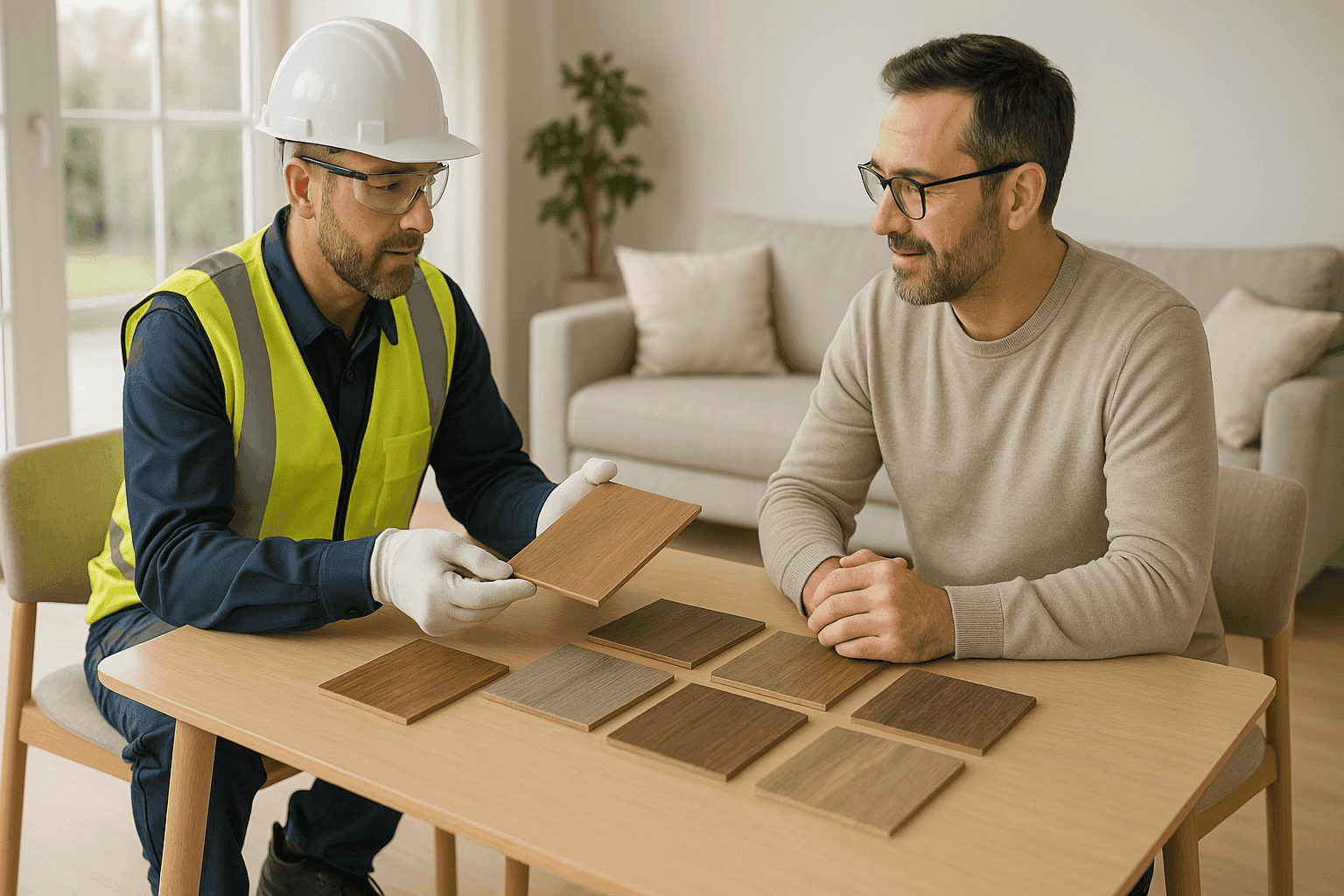
Are you staring at your worn-out floors, wondering what comes next? Maybe your basement collects moisture, or your kitchen tile is cracking under pressure. Flooring isn’t just about looks—it’s the stage where life unfolds. Picking the right floor means balancing style, comfort, and durability, all while staying within your budget.
At SunCoast Flooring Solutions, we’ve seen it all. Whether you’re a homeowner or a business owner, every room has unique needs. Let’s walk through the essential questions and practical steps to help you choose the best flooring for every space.
What Should I Ask When Choosing Flooring? 🤔
Before diving into samples, pause and ask yourself a few key things:
- How much foot traffic does this room see? A busy entryway or retail shop needs a tougher floor than a guest bedroom.
- Will this floor face spills or moisture? Bathrooms, kitchens, and basements all have their quirks.
- What’s my style? Classic hardwood or modern concrete? Rich carpet or sleek vinyl?
- Is comfort important? Some floors are softer, warmer, or sound-absorbing.
- What’s my budget? Costs vary, not just in materials, but in installation and upkeep.
- Are allergies or accessibility factors? Hypoallergenic and slip-resistant options exist.
These answers shape your shortlist, making your next steps much simpler.
Room-by-Room Flooring Recommendations
Every space tells a different story—and needs a different floor.
Kitchen
The kitchen is a battlefield. Between dropped pans, spills, and endless foot traffic, it demands durability and easy cleaning.
- Best picks: Luxury Vinyl Plank (LVP), Tile Flooring, Epoxy Flooring
- Why: These resist water, stains, and dents. Tile offers endless design possibilities, while LVP mimics wood or stone without the hassle.
Bathroom
Moisture is the enemy here. Skip wood—opt for something that won’t warp with humidity.
- Best picks: Tile Flooring, Luxury Vinyl Tile (LVT), Epoxy Flooring
- Why: Waterproof, slip-resistant, and simple to clean. Ask about grout sealing for extra protection.
Basement
Basements are unpredictable—sometimes damp, sometimes dry.
- Best picks: Vinyl Flooring, Epoxy Flooring, Concrete Flooring with Moisture Barrier Installation
- Why: These handle moisture well and can be paired with radiant floor heating for comfort.
Living Room
This is where style shines. You want comfort underfoot and something that sets the tone for the whole home.
- Best picks: Hardwood Flooring, Bamboo Flooring, Cork Flooring, Laminate Flooring
- Why: Hardwood is timeless, bamboo is sustainable, and cork absorbs sound. Laminate offers variety on a smaller budget.
Home Office
Quiet, comfort, and style matter—especially if you’re on your feet or rolling a chair all day.
- Best picks: Carpet Installation, Cork Flooring, Engineered Hardwood
- Why: Carpet absorbs sound, cork is soft and eco-friendly, and engineered hardwood brings warmth.
Bedrooms
Softness and warmth are priorities here.
- Best picks: Carpet Installation, Cork Flooring, Bamboo Flooring
- Why: Plush underfoot and gentle on bare feet. Cork and bamboo are great for allergy sufferers.
Garage
Heavy-duty is the name of the game.
- Best picks: Epoxy Flooring, Concrete Flooring, Garage Flooring Systems
- Why: These stand up to oil, tools, and cars. Epoxy is easy to clean and looks sharp.
Commercial Spaces
Commercial flooring needs to wow clients and stand up to constant use.
- Best picks: Commercial Vinyl, Tile Flooring, Epoxy Coatings, Carpet Tiles
- Why: Easy to maintain, safe, and customizable.
Balancing Performance with Style
It’s like picking shoes for a marathon or a party—function comes first, but style seals the deal. Flooring should match both your lifestyle and the room’s purpose.
- Durability: Think of high heels on hardwood—they look great, but can leave marks. Match the material to the use.
- Maintenance: Some floors just need a mop, others need sanding or refinishing. Honest talk here saves headaches later.
- Aesthetics: From rustic farmhouse planks to modern minimalism, your floor sets the mood. Samples help you visualize the end result.
Quick Safety Checklist ✅
Safety is never optional. Before you commit to any flooring, check these essentials:
- Slip resistance: Especially in kitchens, bathrooms, and areas for seniors or kids.
- Fire ratings: Make sure materials meet local building codes (see National Fire Protection Association guidelines).
- Moisture barriers: Basement or ground-level floors need protection against water damage.
- Allergen control: Hypoallergenic flooring helps those with sensitivities.
- Trip hazards: Transitions between rooms should be smooth.
Consulting a flooring professional ensures you meet safety codes and reduce risk.
DIY vs. Call a Pro
Sometimes laying a new floor looks easy on TV. But real homes have quirks—uneven subfloors, hidden moisture, or tricky corners.
DIY might work if:
- You’re updating a small, simple room.
- The subfloor is in perfect shape.
- You’re confident with tools and patient with instructions.
Call a pro if:
- There’s water damage, uneven slabs, or old glue to remove.
- You need specialized materials like epoxy, radiant heating, or large tiles.
- The job involves commercial spaces or safety regulations.
Professional installers bring expertise, specialized tools, and up-to-date knowledge of safety codes and best practices cited by the International Code Council.
What to Expect from a Flooring Consultation 📝
A consultation is your chance to get tailored advice. Here’s what happens when SunCoast Flooring Solutions visits your space:
- Assessment: We inspect the current floors and subfloors, checking for moisture, levelness, and damage.
- Measurements: Accurate sizing prevents wasted material and surprise costs.
- Material review: We bring samples, explain pros and cons, and help you match your style and budget.
- Discussion: We talk through your needs—traffic, pets, allergies, soundproofing, and warmth.
- Plan: You’ll get a clear idea of installation timeframes, prep work, and what to expect.
You’re never left guessing. Our process is transparent and thorough.
Prevention & Maintenance
A little care goes a long way. Protect your investment with these habits:
- Sweep and mop regularly: Grit scratches floors fast.
- Use mats and rugs: Trap dirt at entryways and prevent wear.
- Seal grout and wood: Keeps out moisture, stains, and bacteria.
- Check for leaks: Plumbing problems can ruin floors over time.
- Trim pet nails: Prevents gouges, especially on hardwood and vinyl.
Follow manufacturer maintenance guidelines—these are backed by industry sources like the National Wood Flooring Association.
Costs & Time Factors
Every flooring project is as unique as your home or business. Here’s what to expect:
- Material costs: Vinyl and laminate are budget-friendly. Hardwood and tile run higher.
- Installation: Simple rooms take a few hours. Complex layouts or large areas can take several days.
- Preparation: Removing old flooring, leveling subfloors, or repairing damage adds time and expense.
- Additional features: Radiant floor heating, soundproofing, or moisture barriers increase the investment.
Ask your consultant for a range based on your space and needs—no guesswork, just clear answers.
When It’s an Emergency
Flooded basement? Buckled boards? Some flooring issues can’t wait.
- Call immediately if:
- Water is pooling or seeping through floors.
- There’s a persistent musty smell—could mean mold beneath.
- You notice soft spots, sagging, or severe cracks.
Prompt action prevents bigger problems like structural damage or health hazards.
Allergy and Accessibility Considerations
Flooring for Allergy Sufferers
If allergies are a concern, look for low-VOC flooring and avoid carpets, which trap dust and dander. Bamboo, cork, and LVP are great choices. These options are recommended by the American Lung Association.
Flooring for Accessibility
For those with mobility challenges, smooth, firm floors help. Avoid thick carpets or uneven transitions. Slip-resistant vinyl or rubber flooring works well in homes and businesses. The Americans with Disabilities Act (ADA) sets guidelines for accessible flooring.
FAQ: Common Flooring Questions
Q: Does my subfloor matter?
A: Yes. A strong, level subfloor is essential. Problems below will show up above—bumps, squeaks, or worse.
Q: How do I maintain my floor’s warranty?
A: Follow the manufacturer’s care instructions. Using the wrong cleaning products or skipping recommended maintenance can void coverage.
Q: Can I mix flooring types in different rooms?
A: Absolutely. Just use smooth transitions and stick to options that fit each room’s needs.
Q: What’s the best eco-friendly flooring?
A: Bamboo, cork, and some vinyl options are sustainable. Ask about recycled content and certifications like FloorScore or GREENGUARD.
Local and Seasonal Considerations 🌦️
Humidity, temperature swings, and local climate all play a role in flooring choices.
- In humid regions, stick with moisture-resistant options—vinyl, tile, or sealed concrete.
- Cold winters? Radiant floor heating under tile or engineered wood makes a huge difference.
- Outdoor spaces need UV- and weather-resistant flooring like deck tiles, treated wood, or concrete coatings.
Talk to your consultant about your area’s typical weather. The right choice will stand up to the seasons.
Ready to transform your space, one step at a time?
Call SunCoast Flooring Solutions now — or reach us anytime at 877-796-9197 .